
Annecy 2026 Round-Up: Celebrating Creativity
By Mars Dalys, May Renault, and Romane Tissandier
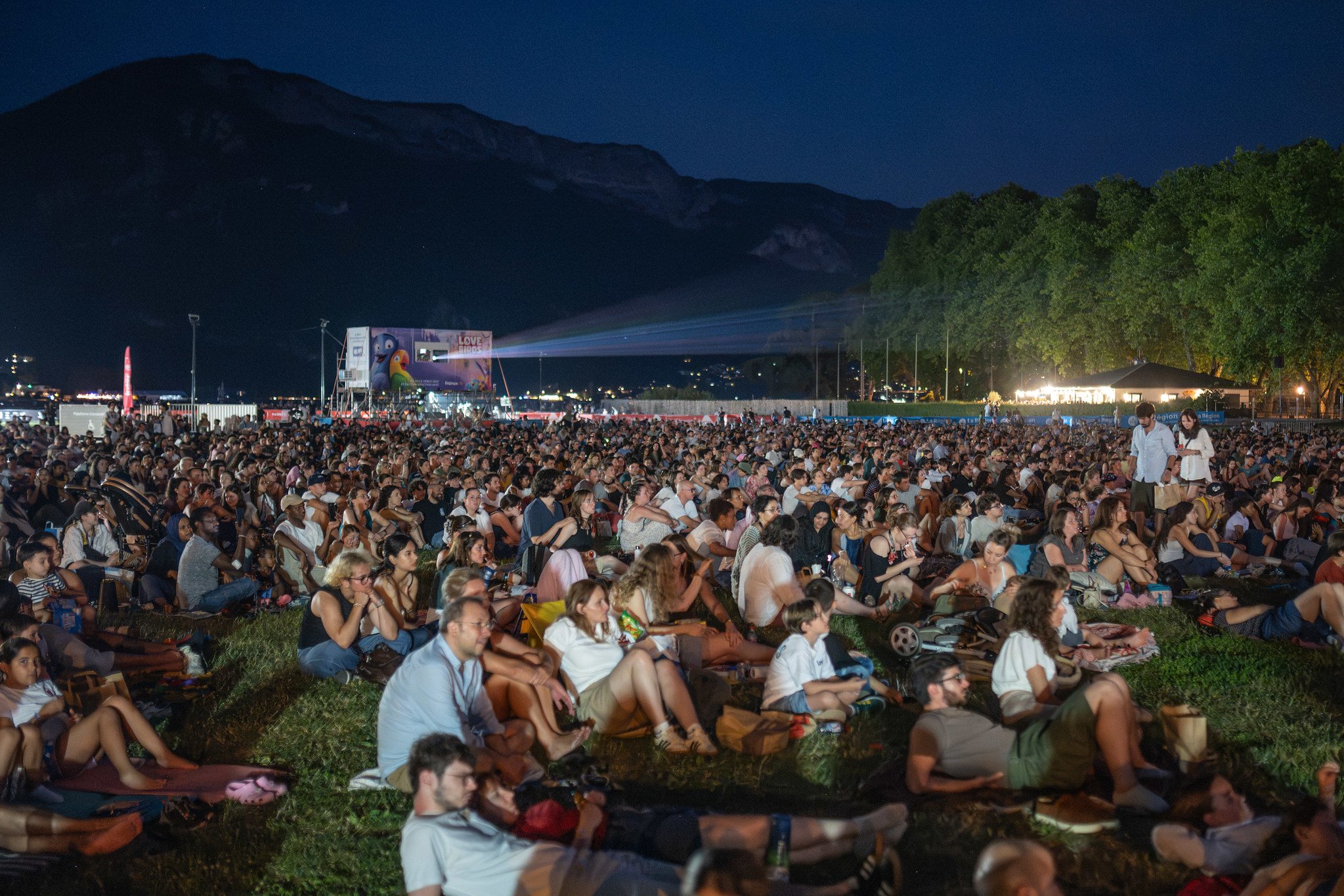
If you’re looking around and see hundreds of colorful stickers, people stopping everywhere to doodle, and long lines outside of movie theaters, then no doubt: You’re in Annecy! Created in 1960, the Annecy Festival is the world’s largest festival dedicated to animation. Through the years, it has become a major economic hub for the animation industry and represents an essential step for the development and promotion of animated projects. Halfway between a giant summer camp and a serious film market, the festival has something to offer to every type of animation fan.
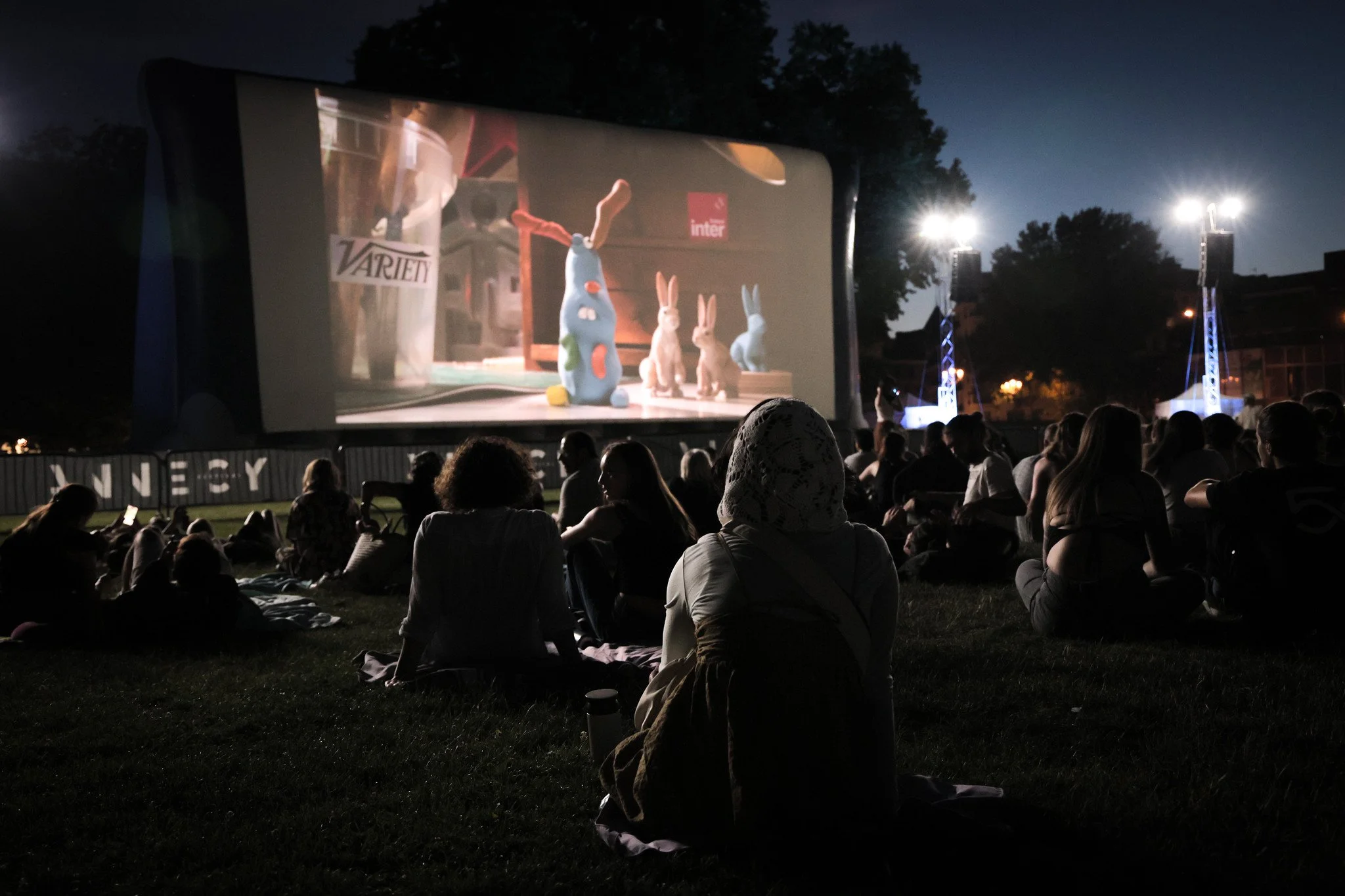
The festival begins at 8 a.m. with features in competition shown in the smaller screening rooms before big studios like Disney, Netflix and Aardman use the pre-lunch time slot in the Bonlieu Grande Salle—the largest screening room where all the major events happen—to showcase exclusive details about their upcoming releases. After lunch, panels and signings with industry professionals allow attendees to learn about their career, future projects and ask questions. The rest of the day might include a break for food or a round of the short films in competition before another session of evening features. The festival offers outdoor screenings at nightfall on Le Paquier, a huge grassy spot by the lake with a giant screen for everyone to finish out the day watching a few more movies (often the previous year’s winners).
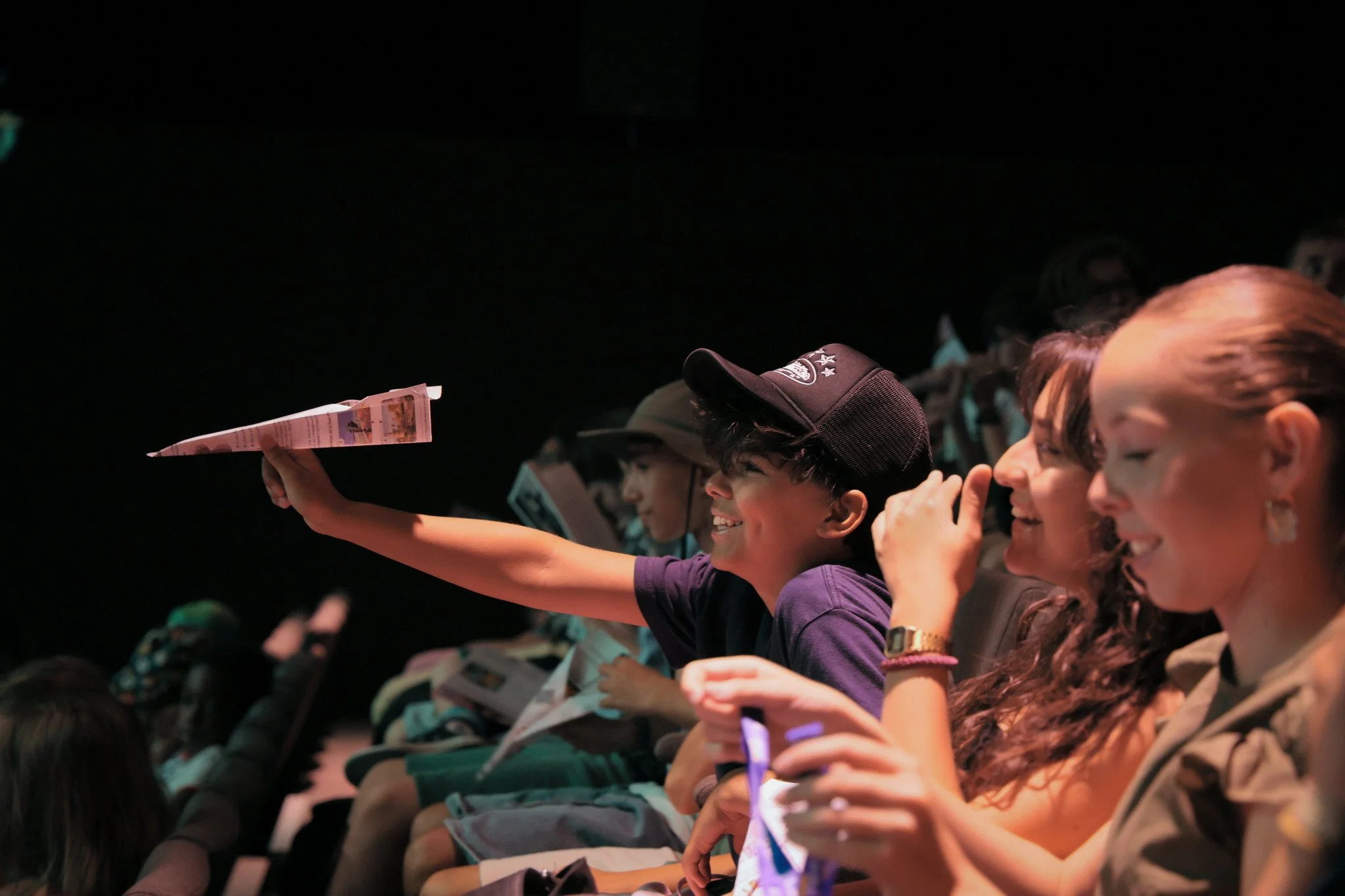
While waiting in line, professionals with decades of experience mingle effortlessly with beginner students and curious city residents, resulting in rich exchanges about the world of cinema. This sincere desire to connect means festivalgoers leave Annecy with more than just film posters—they leave with new friends and professional opportunities. This enchanting atmosphere is completed by traditions that are deeply Annecy-esque and play a big part in its identity. Dozens of paper airplanes are thrown on stage before a film starts, audiences scream “Lapin!”—the French word for “rabbit”—when they see one on screen, and the few seconds of silence before a film starts are filled with bubble noises. In response, studios themselves give out paper to make more planes and create custom-made trailers involving rabbits, playfully fueling the traditions.
Along with film screenings, conferences, presentations of “works in progress” and Making-Of sessions allow the professionals behind our favourite animated films and series a unique opportunity to explain their work. The Annecy International Animation Film Market was also a key meeting point where the participants attended project pitches, industry panels, press conferences, and various events linked to the animation industry.
Overall, the jam-packed week of the festival is a special moment where professionals, students, and fans of animation get to discover the films that will shape the industry in the coming years. We had the chance to be part of this year’s festival to catch and discuss our favourite screenings.
The Violinist by Ervin Han and Raúl García, the first Singaporean film to be nominated at the Annecy Festival, won the most prestigious prize, The Cristal for a Feature Film, and the SACEM Award for Best Original Soundtrack in a Feature Film. It tackles the devastating consequences of the Japanese occupation in 1930s Singapore through the lens of two young aspiring violinists separated by the war, but forever bound by their passion for music.
Louis Clichy’s Iron Boy also made a strong impression in the feature films selection by winning three prizes (Jury Award, Audience Award for a Feature Film, GAN Foundation Award for Distribution). Iron Boy follows Christophe, a young boy in rural France forced to wear a corset to stand upright. As he adapts to this new equipment, Christophe tries to balance his father’s expectations with the new life he is discovering outside of the family farm.
Brought to life by Abbi Jacobson and Julia Louis-Dreyfus’ moving performances as a mother and daughter trying to save their relationship from the devastating consequences of Alzheimer’s disease, Tangles was one of Annecy’s most moving and poetic representations of the fragile but precious bonds holding a family together through the hardest times.
Following the complex journey of finding your own voice through those who came before you, Ji Zhao and Ke Er Zhu’s Tana displays the rich history of traditional Mongolian music and the importance of its legacy for younger generations, with a 3D animation style of impressive quality and creativity.
Olivier Clert’s Lucy Lost blends the themes of grief and solitude with a hopeful look at life’s unexpected joys. Lucy is a young girl living with a fishermen family of three in the British Scilly Isles who cannot remember the early days of her childhood. Constantly isolated from other children, she finally meets Milly, a mysterious young girl who helps her recover parts of her missing past while the Great War’s shadow inevitably spreads over the young girls’ unique bond.
Kohei Kadowaki’s first feature film, We Are Aliens, made a strong impression with a unique visual style that shows both the best and worst sides of the human mind. When their childhood friendship evolves through the years towards resentment and betrayal, Tsubasa and Gyôtarô experience how fragile every human connection really is, embarking the audience on a captivating journey.
Rogue Trooper
Duncan Jones’ first animated feature Rogue Troopers made its world premiere at the Annecy Festival, telling the story of 19, a genetically modified soldier who finds himself the sole survivor of a failed operation and is alone on a deserted planet, looking for revenge. We discussed the film’s dark and intoxicating atmosphere with VFX Supervisor Marty Waters.
This year, Annecy further established itself as the world’s animation capital, with the opening of the Cité de l’Animation, located on an old horse farm which was entirely renovated to welcome a permanent museum about the history of animation. It will also house temporary exhibitions, inside and open-air screening spaces, a market, a café, a shop, and a library as well as a house to welcome artist residencies.
In the midst of the festival, we attended this year’s exhibitions dedicated to Ankama, the famous French company behind games and animated series such as Dofus and Wakfu, and Laika Studios, the Portland-based stop motion studio behind Coraline and their new film Wildwood which releases in October.
Ankama’s exhibition—From Sketch to Saga, 25 years of Creation—featured interactive books covering everything from character design to animation. The walls held character sketches, prints, and large sculptures of Ankama’s famous dragon eggs. It even had computers installed for those unfamiliar to discover Dofus and a section for meeting Wakfu’s characters.
Laika is renowned for their ability to create imaginary worlds that make you dream, and that is exactly what they did with Wildwood and this exhibition. A First Glimpse Into A Handmade World takes you through the crafting of the many props and sets used for the movie, many of which were imported directly from Oregon. The details displayed in the leaves of the trees, the statues placed on the fence of the Pittock Mansion, and the painting of the 16,500 feathers used in the puppeteering of the eagle character are an astonishing reminder that there is nothing like human creativity and passion when it's given the time and means necessary.
On the other hand, this celebration of craftsmanship and human creativity could not escape the conversation of generative AI. However, the audience loudly rejected films that used generative AI in their process or were entirely AI-generated, booing during their screenings. The conferences around the future of AI in the animation industry were perceived to be in major contradiction with the festival’s values. While the use of generative AI in some of the selected works definitely cast a shadow of disappointment on the faces of many participants, it did not spoil the festival’s success.
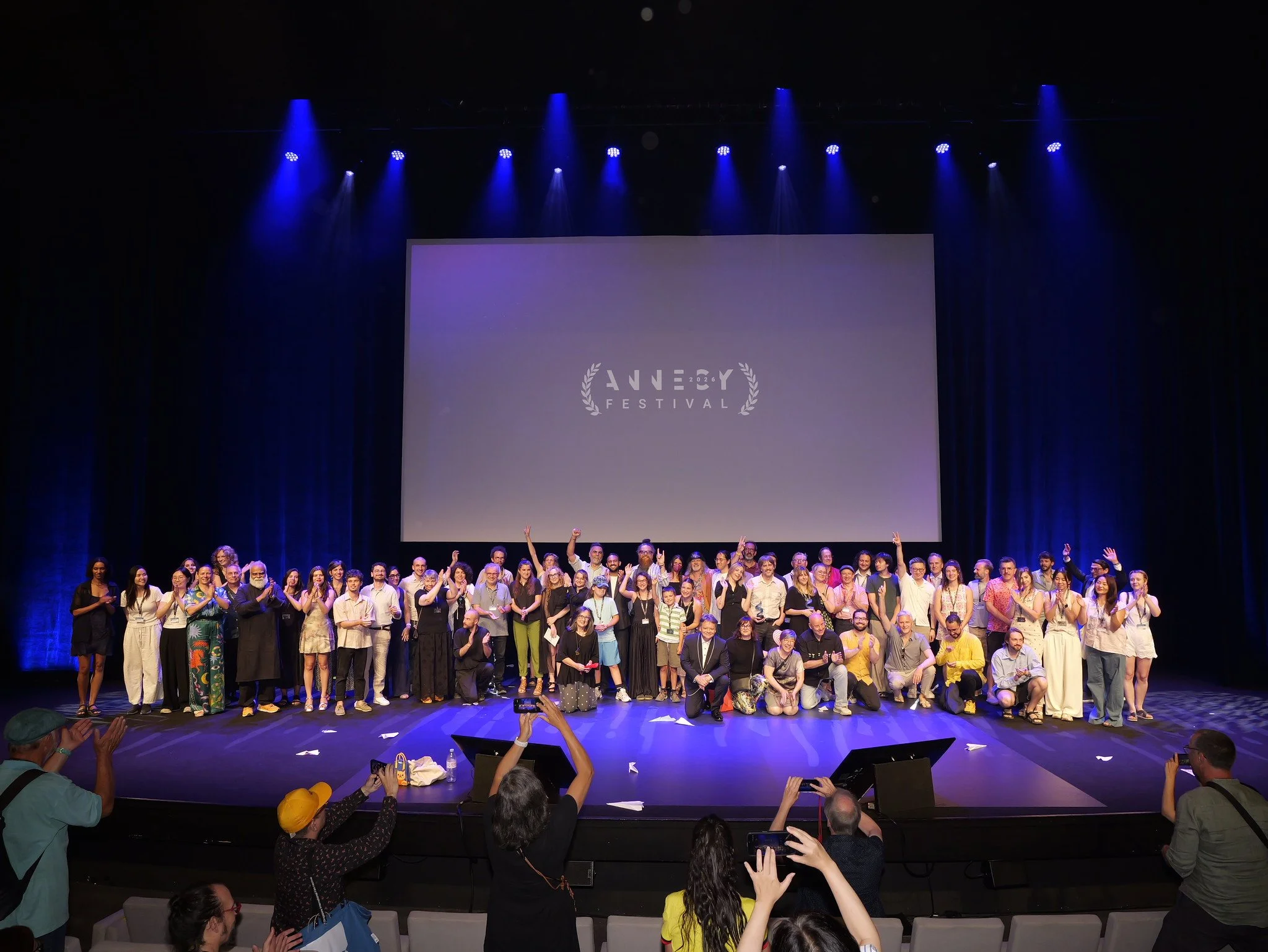
Reaching a record participation of 19,100 badgeholders, the 2026 Annecy Festival confirmed its place as a major film festival and the growing interest in audiences for animation. Renowned personalities like Pierre Coffin, Brad Bird, Alfonso Cuarón, Ricky Gervais, Robert Kirkman, and S.S. Rajamouli presented their upcoming projects, taking part in conferences or in book and poster signings that added to the festival’s respected yet accessible ambience.
The diverse offer in the festival’s selection showcased the versatile power of animation techniques and the impressive dedication of the people working together to bring their artistic visions to life. The 2027 edition of the Annecy Festival, which will celebrate Colombian animation, cannot come fast enough.
All photos courtesy of the Annecy Festival.