
The Violinist: On War and The Sound of Music
by May Renault
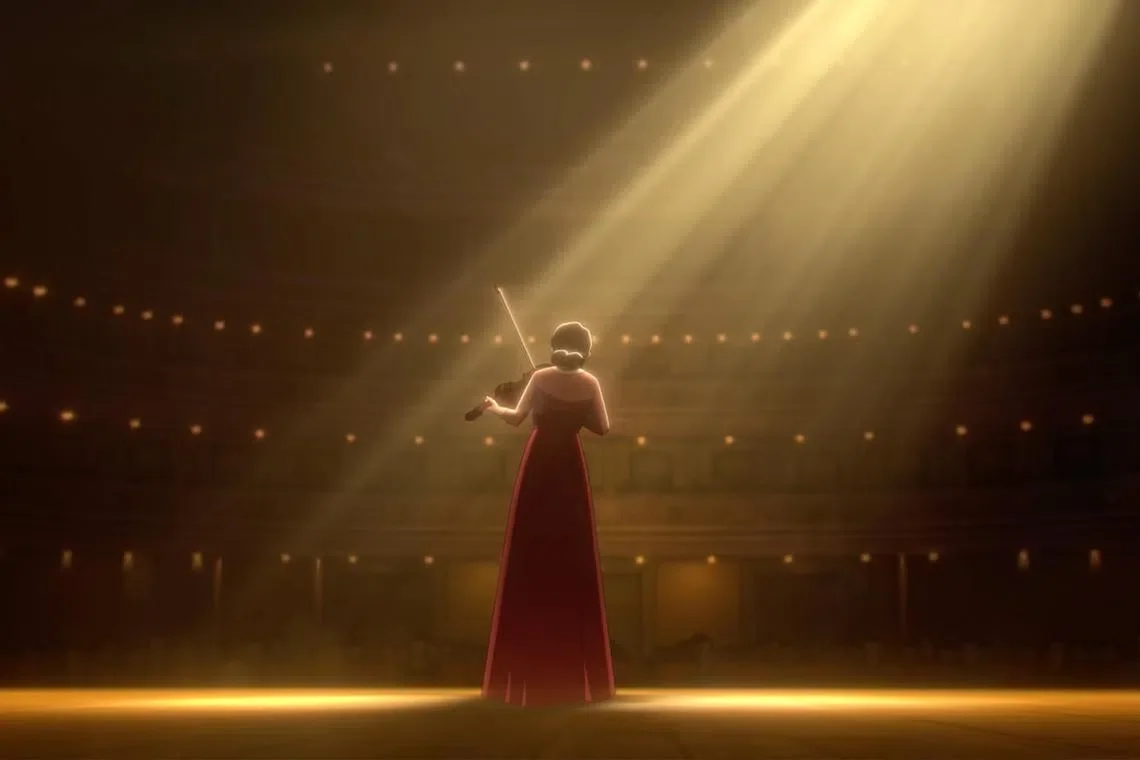
Held every June, the Annecy International Animation Film Festival is the largest animation event in the world. This year, the Festival’s highest distinction—the Cristal—was awarded to The Violinist. Marking the first time that a Singaporean production not only won the award but took part in the Festival, The Violinist won the hearts of the Annecy jury through its blending of intense orchestration and a tense love story across the backdrop of the Japanese occupation of Singapore.
Kai and Fei are childhood friends and aspiring violinists in 1930s Singapore, the film follows their ambitions, struggles, and evolution as the war tears them and their dreams apart. Along the way, they learn to lift themselves up while dealing with the absence of one another. With a score so wonderful that completely elevates the story, The Violinist explores the often untold story of Japanese occupation in Southeast Asia and does not shy away from the realities of the trauma inflicted on its populations.
After a production process spanning ten years, like many animated movies, The Violinist is the product of a large international collaboration: teams from Spain, Singapore, Columbia, Malaysia, Thailand, Taiwan and Italy worked together to animate and bring the film to life. Three different orchestras in Singapore, Taiwan and Slovakia were in charge of performing and recording music, and the original score pairs beautifully with the long emotional animated sequences allowing the audience to properly soak in the melody. This global creative process resonates with the message of peace and tolerance that both the film and the crew behind it have laced into every moment. During the premiere in Annecy, directors Ervin Han and Raúl Garcia compared the internationality of their project to their desire for more global collaboration and universal harmony in media and outside of it.
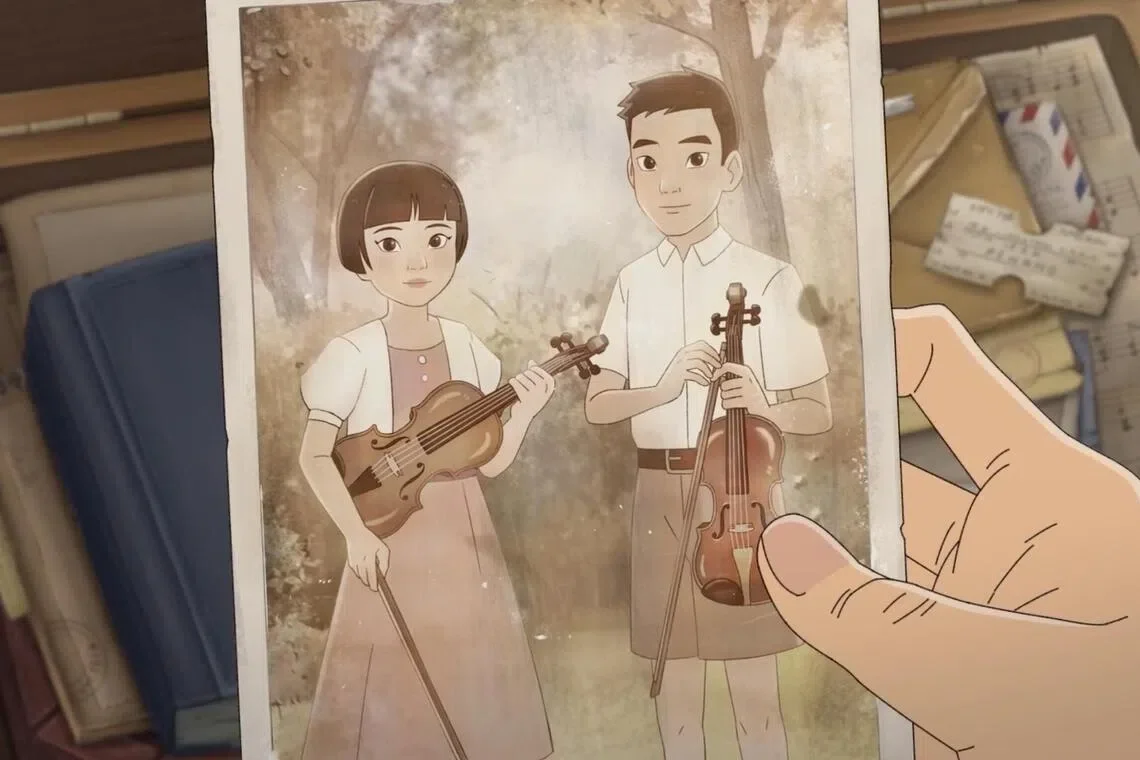
Where The Violinist finds its strength in music, it lacks in animation quality—especially in comparison to the films it was in competition with. Where others managed to create their very own style with experimental animation and unique visual identities, The Violinist’s blend of classic 2D animation and 3D elements in backgrounds and action sequences was bland when next to films like Viva Carmen and Iron Boy that are both very singular in their artistic approaches. Designs, and animation sequences look a bit rough at times, especially when the complex movements of hands playing the violin are involved, something that comes up quite often in the story.
Several critics at the Festival claimed that the lackluster animation completely took them out of the story, I would not say the same. While The Violinist has its flaws, and many, including me, thought other films from the selection were more deserving of the Cristal, it remains a solid story with an emotional core, and an ode to love and music. This win is also a hopeful sign of more festival recognition for animated productions coming from outside Europe or North America—a feat that is still rare to this day.
The Violinist is a uniquely Singaporean story, dealing with the firsthand experiences of the director. When I heard the row of Singaporean girls behind me crying during the screening, I knew that any issue I had with the story was not what mattered in the moment. This tale connects a unique history with personal emotions and experiences, something that not every viewer will be sensitive to. The Violinist is the Cristal winner of the year and when it releases in theaters, I hope people will look beyond its flaws and let the story of Kai and Fei reach their hearts.