
La Gradiva: Always Forever
By Rohan Connolly
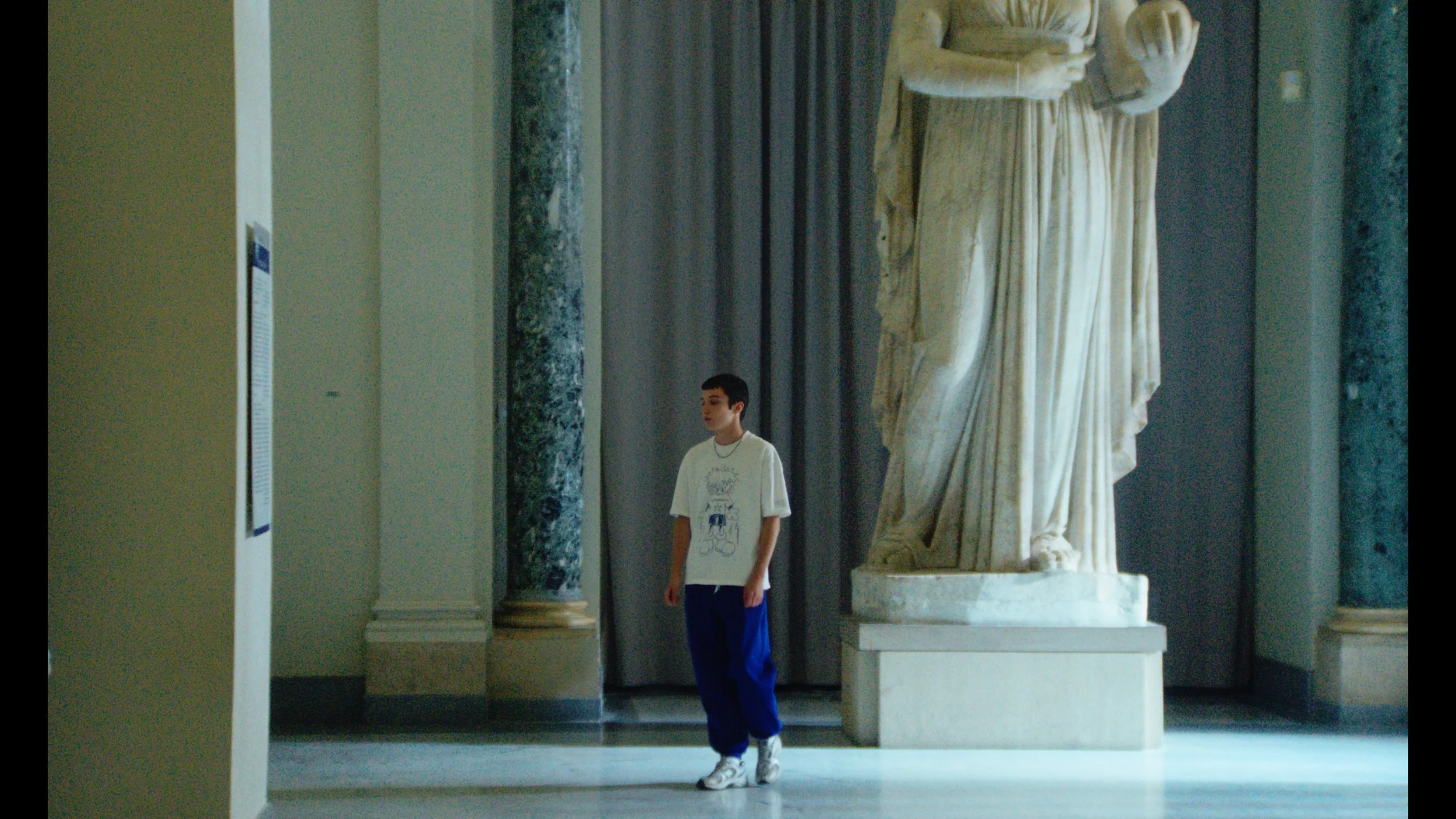
I cannot stop thinking about La Gradiva (2026).
A meditation on youth, memory, time, family, love, friendship, the feature-length directorial debut of French cinematographer Marine Atlan explores the emotions and experiences of a group of teens on a class trip to Pompeii. The film had its North American debut at the Toronto International Film Festival where audiences got to enter the beautiful, joyful, and melancholic world of La Gradiva.
The core characters of the film are Toni (Colas Quignard), an outspoken “problem” student seeking to find answers to his family heritage in Pompeii, James (Mitia Capellier-Audat), Toni’s best friend and the boy all the girls are hung up on, and Suzanne (Suzanne Gerin), the outcast with high aspirations and a passion for art. The three characters, among the rest of their classmates, revolve around each other throughout the film. Each one is on their own journey, experiencing their own story among the ruins, yet just outside of their own bubble lie the others though they may not always realize it. Each one gets so caught up in their journey they often forget that everyone else is also the main character of their own story.
Toni is looking for traces of his history, hung up on a romantic story of his grandmother falling in love and getting pregnant with the local Italian aristocrat that she worked for only to lose him in the 1980 Irpinian earthquake, never to love another man. As teenagers do, he gets so wrapped up in this story that he pays no attention to Suzanne who he’s been paired with for a project and who struggles to fit in with the rest of the group. Suzanne zeroes in on her own trouble connecting with her classmates and fails to see how popular classmate James could even have problems. And James is so focused on appearing nonchalant that he fails to show up for Toni how he probably should.
The film places this group of young people in one of the most ancient places on earth. The students explore the ruins of Pompeii as their teacher Madame Mercier (Antonia Buresi) guides them through exercises in analyzing the art around them, through exhibits of casts of the bodies of people who perished when Mount Vesuvius erupted. Atlan contrasts the youth and naivety of the students against the ruins that surround them, establishing them as both fleeting and eternal. Next to the ruins themselves, their lives are barely lived, just blips on the timeline of Earth’s existence, but among the art, the representations of people from eons ago, they have always existed. Versions of these teenagers existed centuries before they were ever born, they exist now as they are, and they will continue to be reincarnated as the centuries go by, worrying about the same things, stressed about school, trying to fit in with their peers, wondering who they are or where they come from.
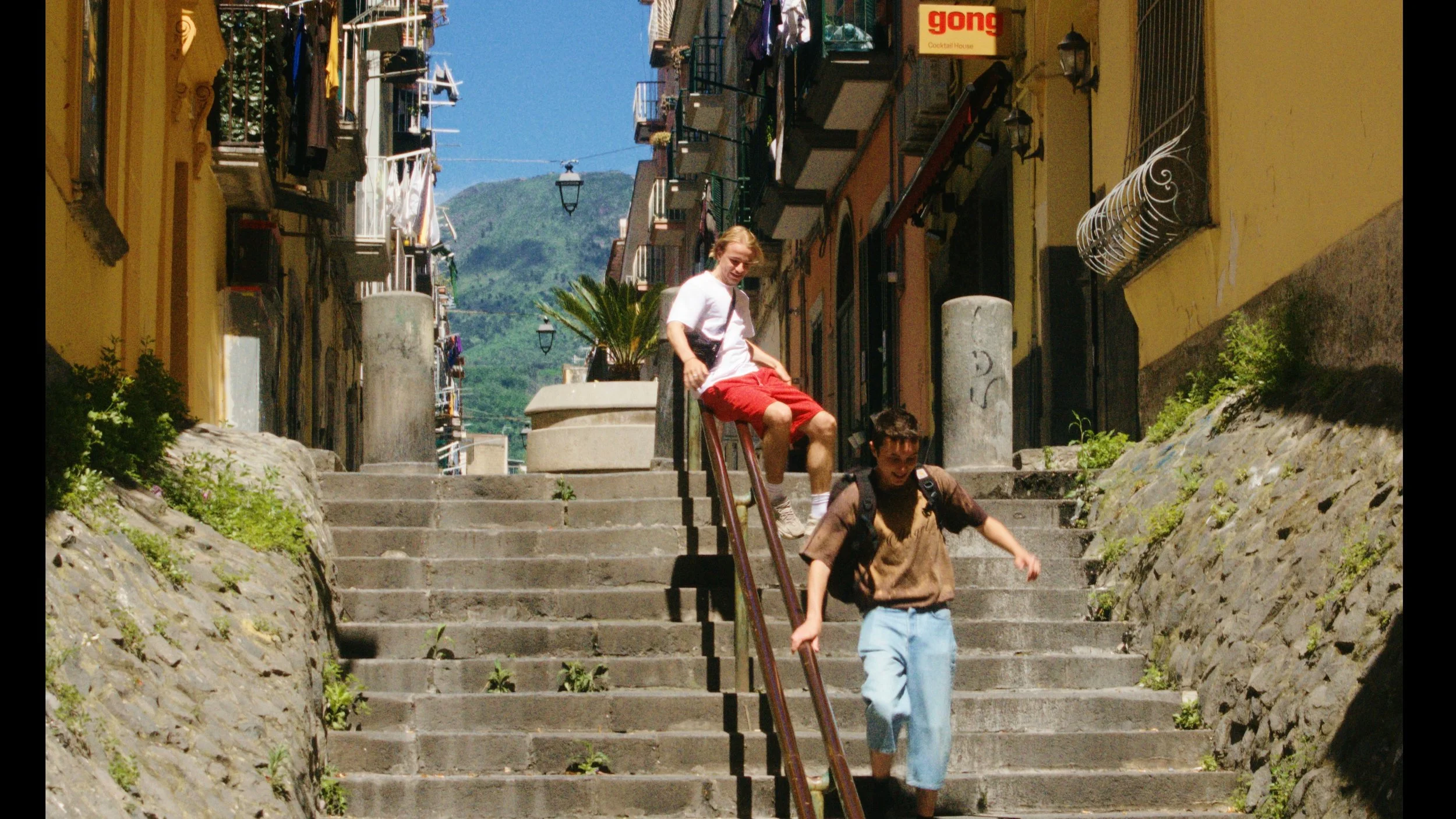
Every moment of La Gradiva is precious. Some would argue that nothing really happens in the film, and they wouldn’t be wrong. But Atlan perfectly encapsulates the mindset of young people where every moment, every small interaction carries the weight of the world. Being offered a drink by the girl you’re stuck sharing a room with, getting called out by your teacher in front of the class, running through the streets with your friend, arguing politics with your classmates deep into the night—all these moments are technically unimportant, but at that age mean everything. In her collection of these moments, Atlan peers into the dynamics of a new generation, acknowledging that yes, they’re very different from other generations, but asking, are they really? Didn’t we all feel this way at one point? Didn’t the young women in the painting worry about similar things? Didn’t the people of Pompeii wonder similar things?
The term “La Gradiva” translates from Latin to, “She who steps along,” and refers to a mythic female figure in Wilhelm Jensen’s novel of the same name. The character of Gradiva fascinates the protagonist (who gave her the name) when he first encounters her walking along the ruins of Pompeii. She becomes a character that meaning is projected onto as he crafts a fantasy about who she is, just as Toni does with the story of his grandmother and the students do collectively with the ruins around them. Looking into the painted faces of long ago we can only guess at what they are feeling in the moment they are frozen, we can only project our own ideas about both our own times and what we imagine theirs were like. Toni can only imagine what the story of his grandmother is based on his own fantasies. We can only imagine the ancient cast to be of a pregnant woman rather than someone whose stomach was positioned that way when they fell. All we can do when looking through time is project, just as they do.
Marine Atlan injects La Gradiva with an intense realism in every moment. Each character, no matter how small, is grounded and intensely lived in, each sentence of dialogue, each small action feels like a memory of something I’ve never done. The film is visually stunning, with incredible locations and breathtaking cinematography that whisks you away on the trip with the students. It is hypnotizing and asks you to look across time at the traces of humanity in every moment. La Gradiva is a fully realized debut from Atlan and cements her as not only a master at her craft but a master at understanding what makes us all human, and a master at imagination.