
Love is the Monster: Abuela in Action
By Sydney Reyes
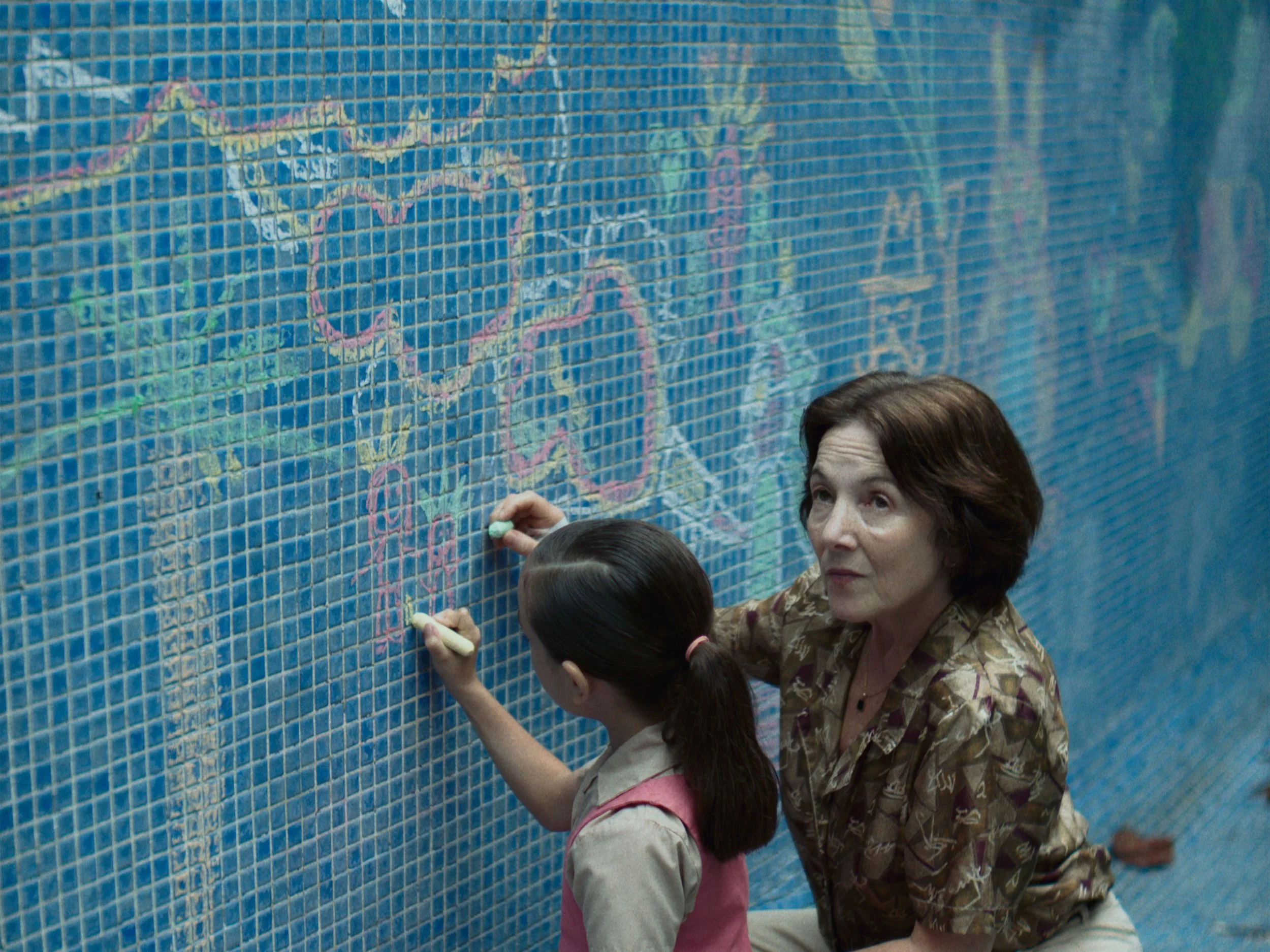
Who says the mistakes of your past won’t come back to bite you one way or another? Costa Rican director Neto Villalobos Brenes explores this notion through the lens of a flawed grandmother whose only dying wish is to make memories with her beloved granddaughter. Love is the Monster premiered at the 2026 Toronto International Film Festival and follows an Abuela or Grandmother (Paulina García) constantly butting heads with her daughter (Natalia Regidor) over how she can spend time with her granddaughter (Gloriana Vargas). Set in a matriarchal, dystopian world where most men have left for an undisclosed battle, the film is a female-led narrative through and through. And when it comes to protecting her little girl, Abuela is not afraid to take desperate measures to ensure her safety. Love is the Monster offers a multi-layered, well-rounded story on familial love, generational trauma, ageism, and class difference.
This film is sneaky in a pleasantly surprising manner. You’re lured in thinking it’s all about letting Abuela be with her granddaughter, but Love is the Monster hits multiple themes in a cohesive manner. Abuela was not the best mother according to her daughter, who is now dismayed that Abuela did a 180 for her granddaughter. As a manager at one of the big corporations that has not been paying its workers, Abuela’s daughter has a target on her back from unpaid employees. Add to that her distrust of the detached mother she grew up with to keep her own daughter safe and Abuela’s old age hindering her from being fully hands on. The daughter hires a standard nanny, one everyone in the richer perimeter of the society all have, to Abuela’s dismay, resulting in more clashes between the two. The film slowly but steadily reveals the reality Abuela and her girls live in, making for a complex and intriguing narrative.
A story like Love is the Monster would work perfectly fine in a real-world setting, but adding the dystopian touch makes it a little more exciting. Brenes transports us to another world, one where men are practically out of the picture and not in control. Nannies and children wear teal and pink uniform-like outfits, respectively. While everyone else, like Abuela and her daughter, are in more regular, business casual clothes. This could indicate how people like them have more control in their society. There’s also a gloomy blue tint to the world. Even the children practice shooting guns in a “kiddie range” at one point. Along with the struggle of the working class to get paid, we can see that it’s a flawed and greedy society. It’s unclear why the men have left, and how their culture evolved to the present. More clarity could have immersed the audience more deeply. Still, Love is the Monster’s worldbuilding is a creative addition to the storytelling, adding a unique charm to the classic themes it tackles.
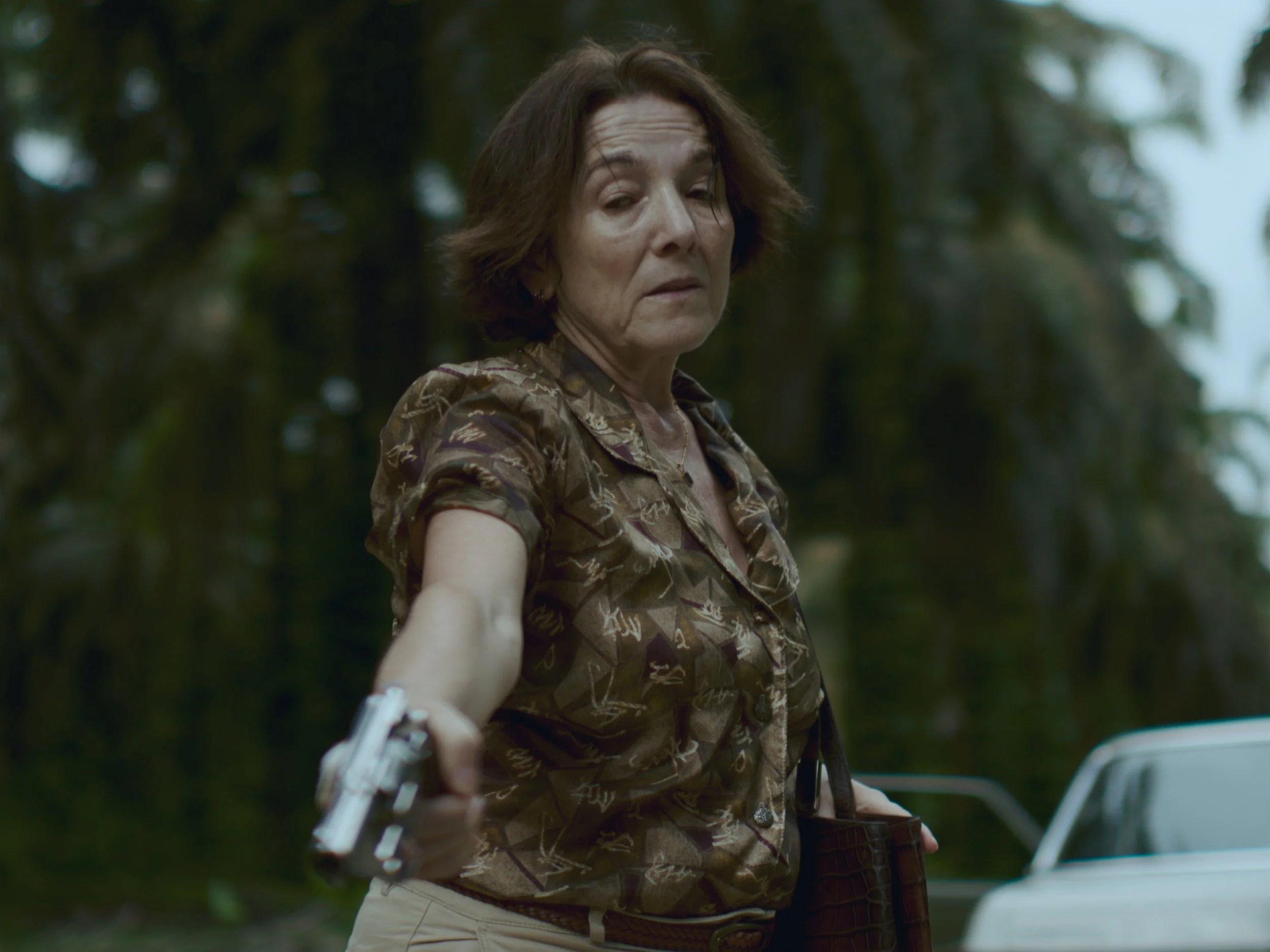
The tug-of-war between Abuela and her daughter is one of the biggest ways Love is the Monster drives the narrative forward. García and Regidor portray this friction intensely and authentically. Some days, they are civil. Others, they quarrel over how to best take care of the grandchild. The heat to their performance is felt beyond the screen. On the opposite end of this spectrum, the vulnerability they share with each other when the granddaughter is in real danger is just as tender. They hold each other, tear-streaked faces as they finally channel their motherly instincts and find a common ground: their love for the granddaughter. García also delivers an all-out performance as Abuela’s health declines along with her sanity the longer her granddaughter is at the mercy of the unpaid workers. We see a grandmother willing to throw reason out the window just to save her loving grandchild, García proudly expressing this in tears while facing her granddaughter's captors. Love is the Monster nails the complexities of mother-daughter relationships, making for a heart-wrenching watch as the characters struggle and fight for their family.
Like the title suggests, Love is the Monster showcases the lengths people are truly willing to take for someone they love. It can bring out the worst in us. Brenes paints a world where motherly love pushes against the odds of class struggle, dystopia, and abduction, all separated from a male-centered lens. It’s uncharacteristic of a grandmother, typically known as the soft and warm family member, to have a vicious side. The emotions the film elicits are unique, yet universal, ultimately capturing one of the most chilling ways to end the battle for love.