
By Karen Reyes
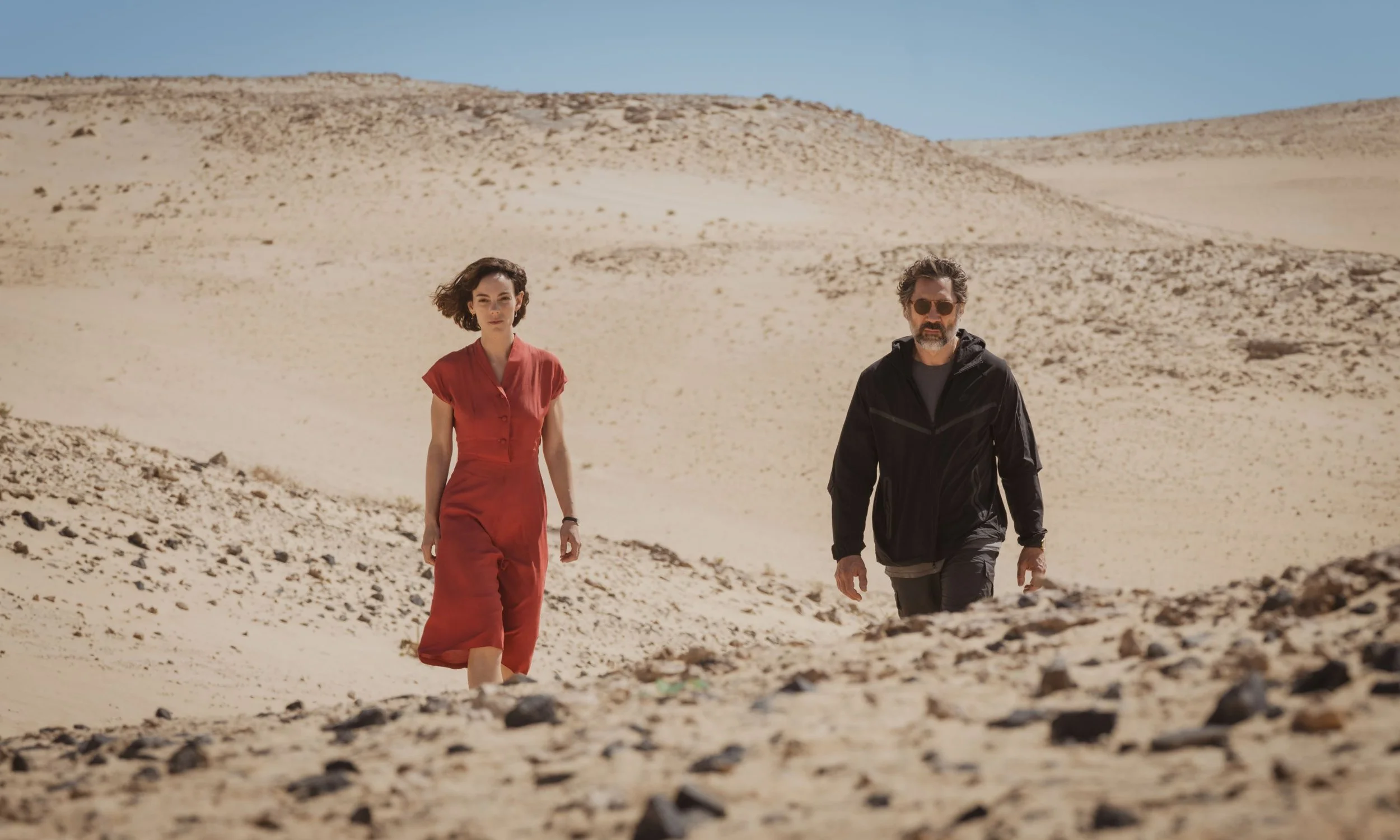
The U.S. premiere of Rodrigo Sorogoyen’s The Beloved (El ser querido) at the 62nd Chicago International Film Festival left the theater with tearful eyes and a frustrating and moving story. Diving into the strained relationship between estranged father and daughter Esteban Martínez (Javier Bardem) and Emilia Vera (Victoria Luengo), the film beautifully captures the ups and downs of their clashing personalities via Bardem and Luengo’s complex performances.
After acclaimed director Esteban asks to meet Emilia after 13 years apart in order to cast her in his film (and reconnect with her as a father), we are caught in the middle of their emotional duel where she pushes back on his attempts to brush their past under the rug. The emotional distance between them is immediately evident from the opening scene. The audience shifts in their seats at the awkward lulls in their conversation and uncomfortable confrontations about Esteban’s drinking problem and anger issues during Emilia’s upbringing. Close-cropped shots on Bardem and Luengo’s faces force a heavy silence and tense exchanges without a chance to look away. Despite Esteban’s insistence that Emilia is misremembering her childhood, she agrees to star in his film and thus begins a tumultuous journey of anger, hope, grief, and reconciliation.
Above all, this film intimately portrays the internal battle that Emilia and Esteban have as they re-learn how to interact with each other. A sudden and quick black and white filter appears over their introspective and vulnerable moments or instances where they are in denial about the reality of their relationship. This stylistic choice highlights the importance of the inner journey as much as the progress they make with each other. It leads the audience without spelling it out for them and creates a uniquely beautiful viewing experience.
Along with captivating visuals, the pacing and characterization elevated this film into one of the best watches of the festival this year. Slower solitary moments contrasted with intense, quick-fire arguments and fights between father and daughter, occasionally resulting in undeserved blows to innocent bystanders. One scene in particular serves as a sort of “climax” to the film—following a frustrating conversation with Emilia the previous night, Esteban takes it out on his cast as he nitpicks the actors during a meal scene. His direction quickly escalates into persistent yelling at Emilia and the male lead, lobbing insults and near abuse that cause the child actors to burst into tears and his film crew to quit the project entirely. To see this heated sequence play out without a break was both vindicating and heartbreaking as the audience realizes Emilia’s memories and perception of her father are not so far off from the truth.
Emilia’s character, however, is not perfect either. As satisfying as it was to see her defend herself and refuse to let her father get away with gaslighting her and lying about his past, her own flaws made their relationship that much more interesting. Rather than fulfilling the simple angry father and innocent daughter story, she also acted impulsively and pettily to get back at her father. This incredible choice in characterization resulted in rooting not for one or the other, but for the relationship itself. I found myself frustrated with both of them, aching for them to sit down, finally hash it all out, and let themselves put down the weight they have carried for over a decade.
Sorogoyen, along with co-writer Isabel Peña, developed a touching narrative that was ultimately and painfully realistic. The Beloved ends ambiguously—fitting for the ever-complicated relationship between a father and daughter—and yet, there was a sense of resolution. Whether Esteban and Emilia will stay in each other’s lives remains unanswered, but the audience comes away feeling that something has changed. Some sort of respect and understanding between the two now exists, even if they can’t be as close as they both would like. This story is one that will leave you reflecting not only on their relationship, but the ones in your own life, and how they evolve and change.