
28 Years Later: The Bone Temple: Hell is Empty
by Jasmine Edwards
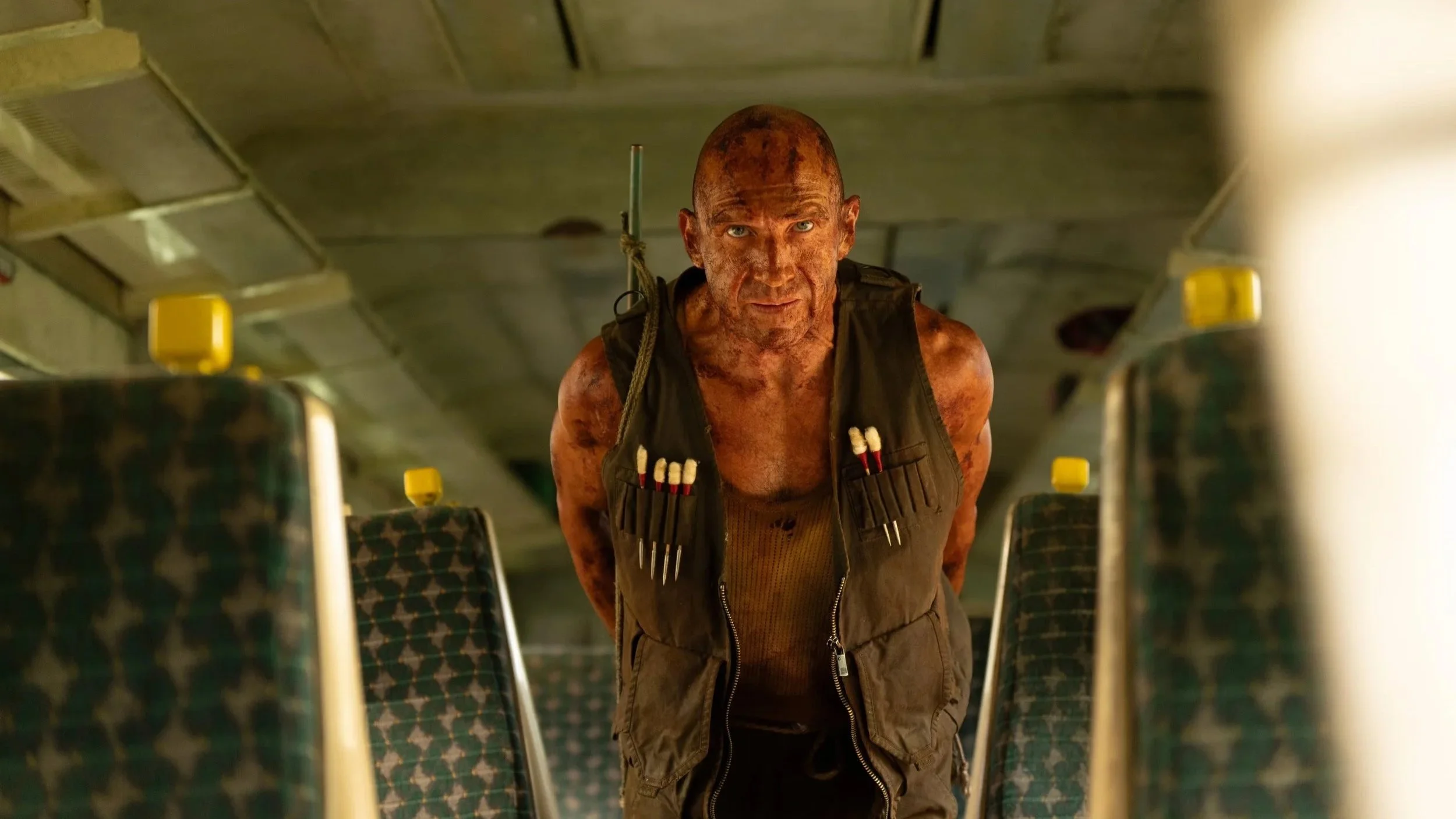
28 Years Later: The Bone Temple is an ultimately unnecessary—yet hugely rewarding—sequel that, at times, wishes it was more profound than it actually is. A meditation on life and death with a slower pace than its predecessors, the film juxtaposes the calamitous action sequences of the previous installments with extended character building and dynamic storytelling. Actually, the plot itself feels like one major character and relationship study. Writer Alex Garland mixes his old and new characters together like action figures in the schoolyard sand box, seeing how well they work together—or how horribly they’ll treat each other—when confronted, tested, or helped in a lawless, almost empty England.
However, The Bone Temple would not work without Director Nia DaCosta attached to the project. DaCosta’s tender, intimate style and sumptuous cinematography (with credits to Sean Francis Bobbitt, B.S.C.) lends itself perfectly to this humanistic approach to horror. The film dazzles with truly unforgettable shots and scenes. The fall of a shadow over a corpse is movie-making at its peak; that image will remain in audience members’ minds long after the credits roll. Between sweeping wide shots of rolling green hills to a close-up on creative and awe-inspiring wounds and practical effects makeup, The Bone Temple is truly a visual treat for nature and horror enthusiasts alike.
DaCosta expertly leads her actors through a few career-best performances. Jack O’Connell’s depraved and gleefully wicked Sir Jimmy Crystal is a roiling pot that hasn’t quite boiled over, but God help the audience and onscreen ensemble when he does. Distinctly opposite, yet inextricably linked in theatricality and his ability to compel the people around him, is Ralph Fiennes’ Dr. Ian Kelson. Both actors command attention even in moments of absolute stillness, their eyes conveying enough to arouse tears and laughter throughout the theater.
Of course, do not discount the subtle desperation and quiet calculation of Jimmy Ink (played by rising star Erin Kellyman). Clad in a red tracksuit, this “Finger” of Sir Jimmy’s fist embodies the young adult experience in this post-apocalyptic world. Aching to belong in a place of anarchy and homebrewed paganism, yet still clinging to her innate morals, Jimmy Ink demonstrates a dynamic personality sorely lacking in many female characters in the horror genre. Costume designers Carson McColl and Gareth Pugh also convey her story arc in a single color choice, linking her to the devilish aftermath of the film from her very introduction.
Unfortunately, The Bone Temple also suffers the flaw of many modern films. For fear of the audience misunderstanding or missing the point, the film overexplains its themes and overarching message through dialogue. This is especially disappointing for a story which relies so heavily on religious references; arguably the Bible is open to endless interpretations and debate, so why corral the audience into a fixed takeaway?
Still, The Bone Temple is wildly entertaining, a satisfying zombie fest full of nerve-searing tension, pulse-pounding paranoia, and nausea-inducing body horror. While most zombie media posits that people are the true, real, or worst monsters, The Bone Temple dares to take this idea further. It brings hope and science to the forefront. By presenting a possible cure as well as a man dedicated to medicine, DaCosta and Garland give audiences not simply tales of trigger-happy survivors, but rather nuanced portrayals of solutions beyond harm, pain, and perpetual misery. Perhaps The Bone Temple doesn’t add anything especially revelatory to the idea of optimism in apocalypse scenarios, but it does nonetheless deliver a beautiful sentiment about history and community that is undeniably needed in today’s sociopolitical atmosphere.