
Rehearsals for a Revolution: For the Hope of it All
By Irene Milea
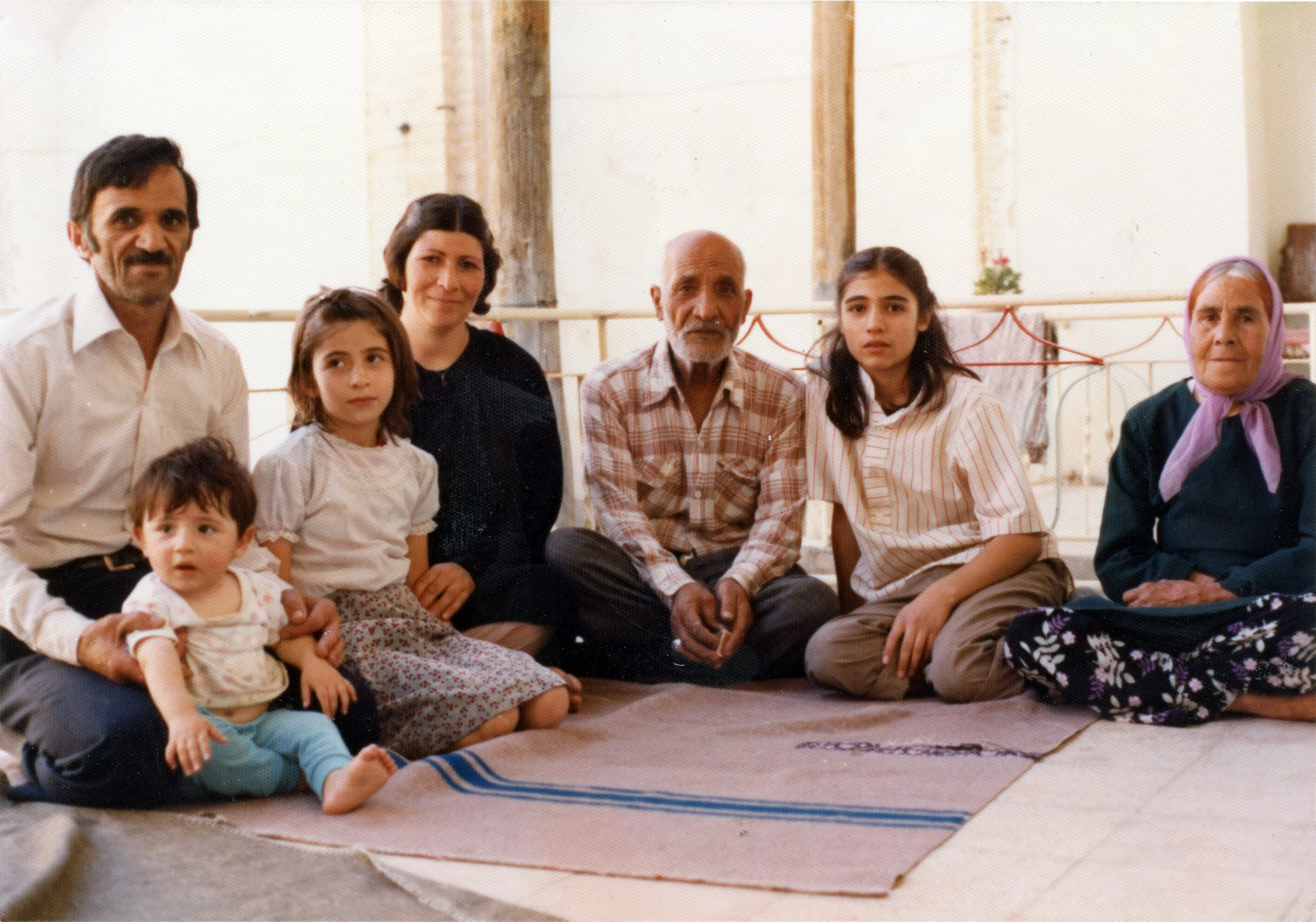
Rehearsals for a Revolution (2026) is a compelling and emotional visual diary retelling Iranian history from 1976 to 2026 through the perspective of director Pegah Ahangarani.
The film is divided into five chapters in which the director serves as the storyteller delivering personal portraits of important people in her life: her parents, her teacher, loved ones, and her daughter. Their story is also the story of Iran. Using video and audio recordings, newspapers, photographs and archive footage, Ahangarani reconstructs moments where her country experienced significant turning points. This grand narrative is told through the eyes and words of a child, then a young girl, and finally, a woman who is forced to “watch” her homeland from afar while living in another country. The story is poetic and nostalgic, raw and intense; it takes its time to draw the viewer in, allowing them to experience first-hand a wide range of emotions, from hope to grief, whilst past, present and future intertwine, at times forming a knot that is difficult to untangle. The story strikes straight at the heart, without mincing words, challenging us to reflect on the broader concept of revolution whilst at the same time reflecting on the oppression of Iranian women: the director’s recounts what happened to her favourite teacher, a woman who was a guiding light for her, a role model, and whose photos without hijab led to her being dismissed and no longer able to teach in a school, and, in general, lacking a freedom of expression.
It is moving to see how the whole story highlights the importance of expressing ourselves and how many ways there are to do so. Pegah’s parents found a way to express themselves through cinema, whilst the teacher, whom the director recalls with such affection, expressed her freedom in a gentle yet direct manner. Rashid recorded his voice and what was happening around him; as he himself says, history will continue not only through books but also through recordings—a concept of great importance given today’s total immersion in technology and the media. This can certainly be an opportunity to reflect on and question the role of the media and the visual power of documentaries in this specific case, and of cinema in general. Pegah Ahangarani features in this documentary in various ways; she is the director who conceived the project, and is a co-writer alongside Ehsan Abdipur, Amir Ahmadi Arian, Arash Ashtiani and Majed Neisi. She is the narrator of her family’s story, and the history of Iran; she is also an actress, as seen in the fictional films that have captured her first as a child and then as a woman; and finally, she is a mother trying to understand what to leave behind for her little girl.
At the heart of a documentary lies the act of bearing witness to human existence, opening a window onto the world and shedding light on something unknown—whilst at the same time reflecting the need to be seen, to recover, to leave a trace, if only to say, “I was there, I was present, I existed in that moment.” In Rehearsals for a Revolution the layering is very evident and well-balanced, helping to create a rich, moving, direct, and effective portrait of a country’s history as seen through the everyday lives of its people.
It is difficult to find the right moment on which to end a story, especially one as deeply personal as this. Is a happy scene better, or is it more honest to acknowledge the tragic reality? This decision is hard, especially when you are far from home and miss it dearly. Pegah Ahangarani is at her home in Germany; she can smell the fireworks, and we see images of the bombings in Iran—perhaps one of the most significant visuals in her documentary, representative of ‘yad (خاطرات). The concept of yad opens the film, and also encapsulates it; in Iranian culture, yad represents more than mere memory. It is an active force that continually returns and shapes the present. The film begins with Ahangarani speaking to her father, as if she were a child, and ends with her speaking to her own young daughter. She is speaking of her present, but she is also looking towards, and speaking to, her future. Trying to shape one’s own future, continuing to hope for that future, and hoping for a revolution that works—as Iranian people do—is the key to everything.