
Supergirl: Seeking Justice
by Rohan Connolly
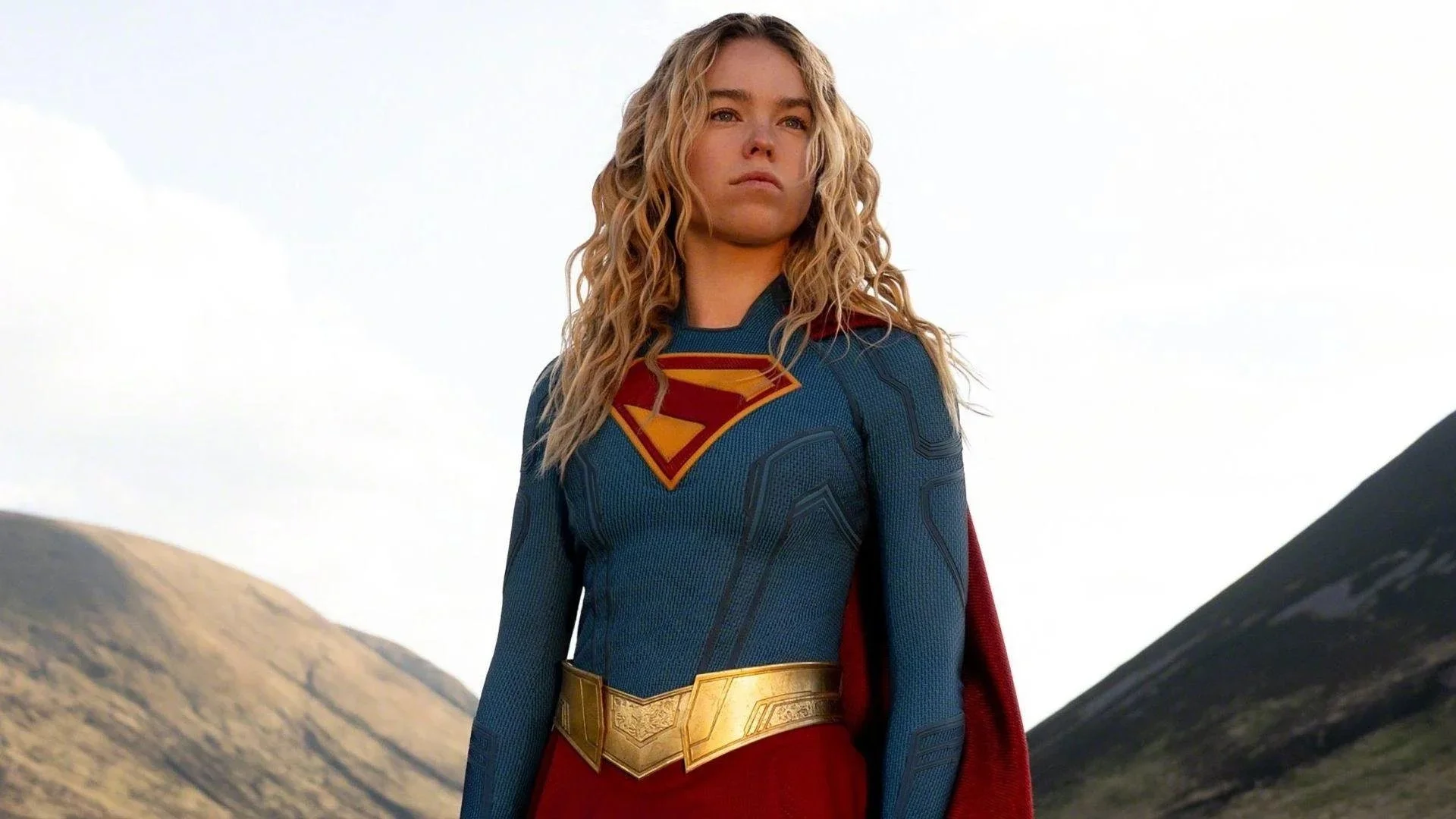
It’s hard not to compare Craig Gillespie’s Supergirl (2026) to its predecessor Superman (2025) from last summer. The two films (and characters) are closely intertwined, but that connection is exactly what encapsulates their critical differences. James Gunn’s Superman was a breath of fresh air to the superhero genre bringing new life to an entire universe and sparking fans to embrace its “kindness is punk rock” message, while Supergirl uses the history of Kara Zor-el (Milly Alcock) to remind us that being kind does not always mean being nice.
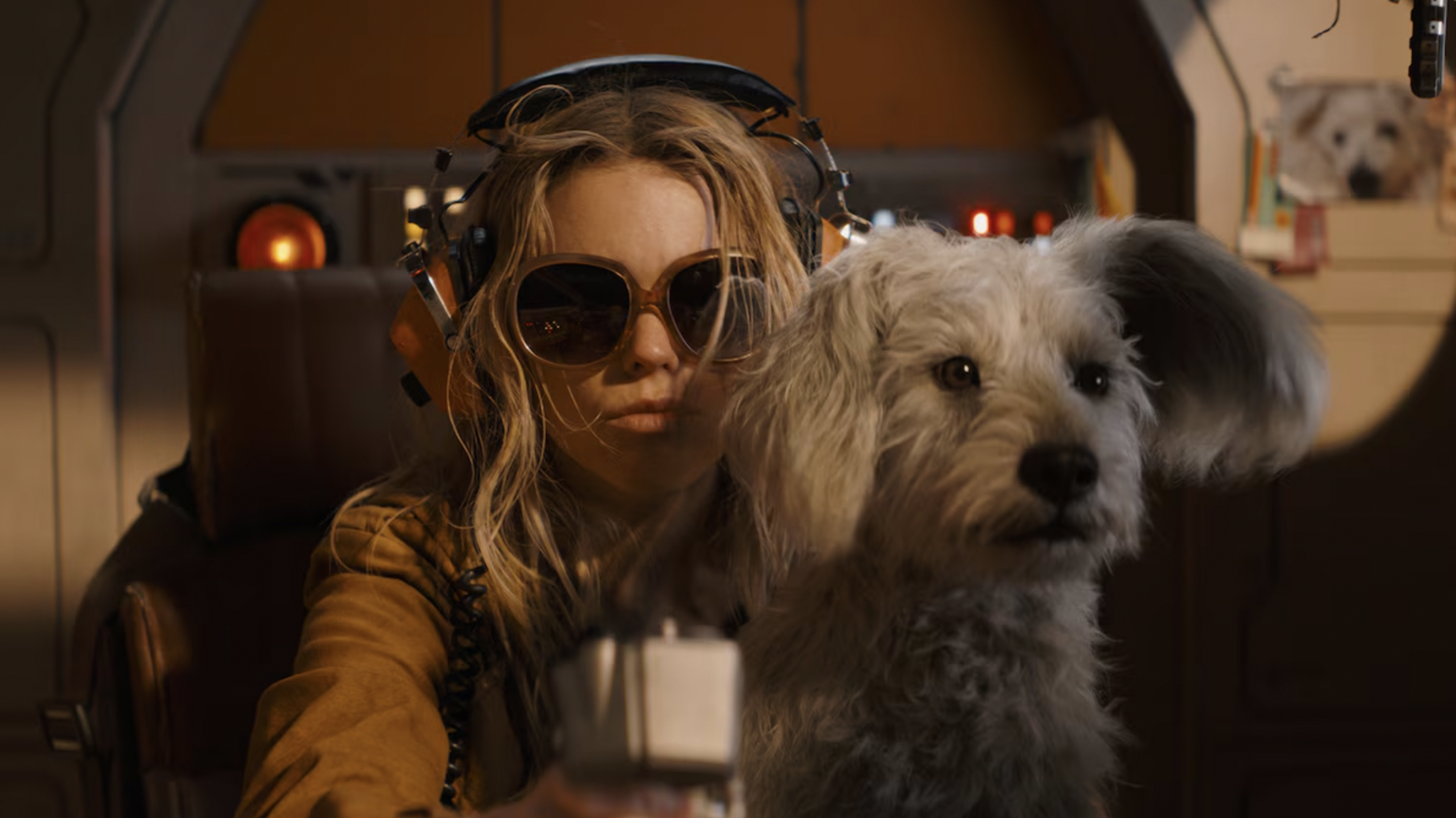
Supergirl follows Kara as she begrudgingly teams up with Ruthye (Eve Ridley), a young girl whose family has been slaughtered by the alien Krem (Matthias Schoenaerts), as she seeks revenge. The two trek across the galaxy searching for Krem and his army of Brigands and confronting their own grief along the way—Ruthye accepting the loss of her parents, and Kara dealing with the loss of her people, and her planet.
The film is a loose adaptation of Tom King and Bilquis Evely’s incredible 2021 comic Supergirl: Woman of Tomorrow. Gillespie makes many deviations from the source material, some for good and some for bad. The key deviation being the inclusion of Jason Momoa’s Lobo, an intergalactic bounty hunter who, while portrayed well by Momoa, undermines the female-centered narrative at the core of the film. Lobo, while utilized sparingly enough, was ultimately unnecessary and dulled the impact of the core relationship in Supergirl. In moments that could have been used to strengthen the bond between the two girls, with Kara swooping in to save Ruthye, or Ruthye coming in clutch during what appears to be a doomed situation, instead Lobo appears to get the girls out of their mess. Reversely, the inclusion of David Corenswet’s Superman is a welcome addition to the story, adding more layers to the complex relationship between the cousins and teasing the eventual team-up as we prepare for Man of Tomorrow slated to release in 2027. His boyish charm contrasts perfectly against Alcock’s more jaded personality, illustrating the essential difference in their upbringing: Clark never knew the world he lost, whereas Kara had her entire world ripped from her.
The key strength of Supergirl is Supergirl. It’s riveting to see Kara on the big screen at full power. Her fight scenes are captivating and full of fun choreography, and Alcock’s perfect blend of rage and despair bubbling under the surface of Kara’s nonchalant exterior completely embodies the iconic hero. Alcock’s casting has rightfully been the biggest topic coming out of this release. She has it, she is Supergirl. Whether she is crowdsurfing across a mass of aliens, sitting in bed with her dog Krypto, or decimating a fleet of predatory aliens, Milly Alcock makes it all feel real.
The largest issue with the film is something difficult to shake: the Supergirl of it all. Female-led superhero movies often struggle at the box office and with audiences. It pains me that Supergirl didn’t get to be fully realized and that the onus has been put on audiences to accept what little we’re given. Audience and critical reception of the film feels reminiscent of Captain Marvel (2019) or Birds of Prey (2020), where audiences for some reason or another struggle to connect with the female heroes, and that’s no fault of the characters themselves. Supergirl should have been a Birds of Prey successor—an explosive, energetic, colourful adventure with women behind the camera and in front of it. All of Supergirl’s flaws seem to stem from the lack of belief in the character by the team creating her. There is a lack of trust that Kara can carry the weight of her own movie, so they cushion her with Lobo’s one-liners and Superman cameos, when the best parts of the film are when her and Ruthye get the chance to breathe.
Supergirl isn’t a perfect film. It has some repetitive narrative arcs, a weak soundtrack (noticeably missing the weight of the iconic music moments from Superman), an underwhelming colour palette (considering the strength of the source material’s visuals), and most importantly, handles a thematically darker side plot more lightly than it deserves. But we shouldn’t ask it to be perfect. I will never stick my nose up at the opportunity to see more female superheroes on the big screen, and will be excitedly awaiting the next time I get to see Kara Zor-el kick some ass.