
Leviticus: Desire, Distorted
by Jasmine Edwards
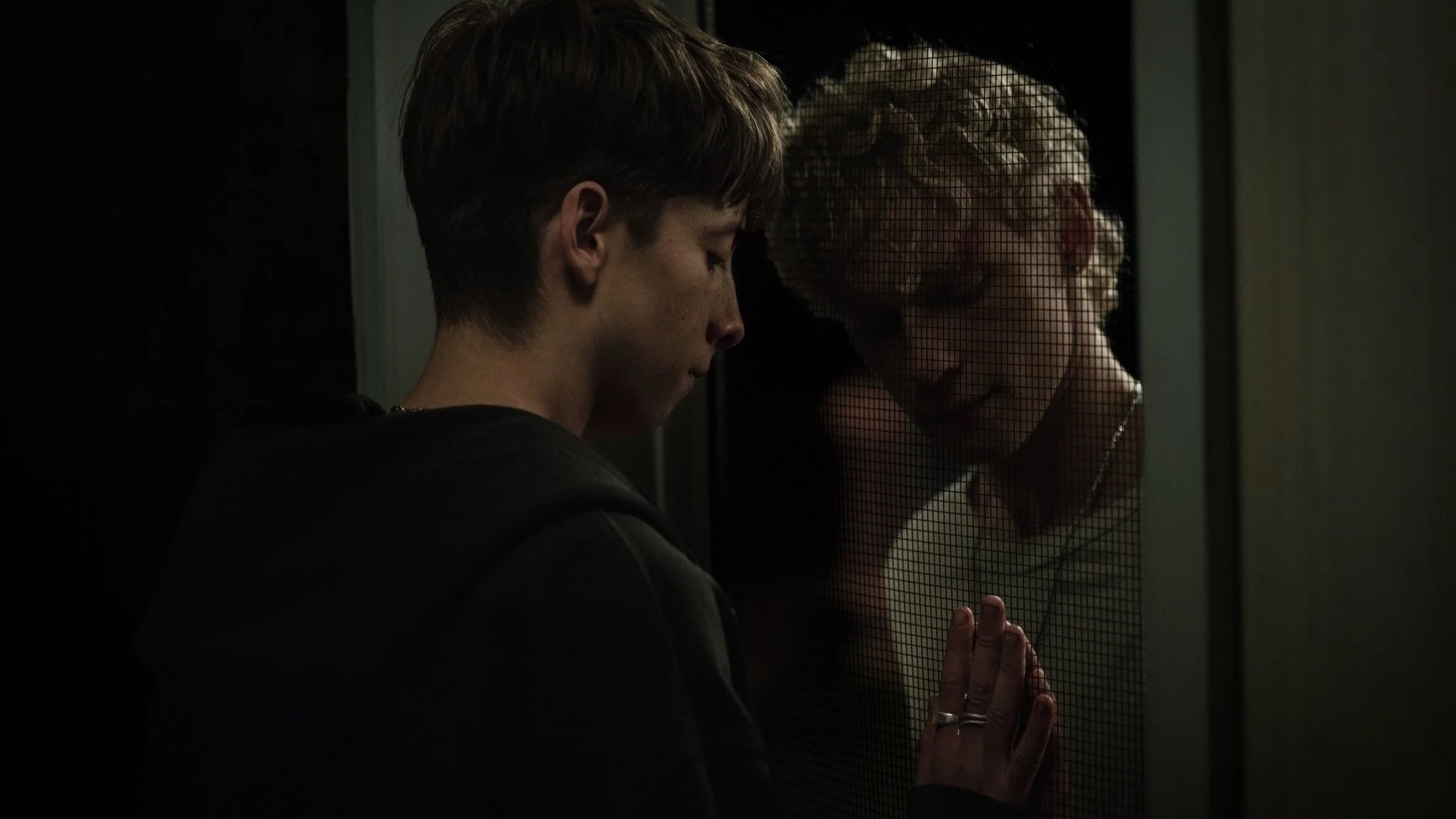
Leviticus (2026) deals in quiet terror. Adrian Chiarella’s supernatural horror/thriller is tension incarnate, both a slow burn and a forest fire of a film. And while the film is tender, it is never understated. Instead, it is a visceral, violent take on “pray the gay away”; a literal translation of a religious concept and sexuality “conversion” tactic that has done irreparable damage to children and teenagers worldwide. That it was released during Pride Month additionally seems a sharp comment on a global political atmosphere that is unfriendly at best to queer people.
In Leviticus, teen boys Naim (Joe Bird) and Ryan (Stacy Clausen) are victims of their parents’ fear. Of society's fear. Try as they might, Naim and Ryan cannot escape the force of nature that is unadulterated loathing. They have no sanctuary, not in themselves or in the adults who are supposed to protect them. Like any queer horror, the film focuses on fear and shame, yet unlike many of its predecessors, it does not dwell unnecessarily on homophobia. While the enigmatic entity stalking Naim and Ryan distorts their desire, the boys themselves refuse to bend to tropes laid out by the genre. Prejudice is seen, heard, and alluded to, of course. But passion seeks to overcome pain in many instances that there is still hope within that horror.
This is accomplished in many ways by the juxtaposition of a suffocating industrial town with wide shots full of Australia’s natural beauty. The camera lingers on power lines, gas stations, and abandoned mills, then open fields, horses, and huge hills. Emotions soar into skies marred by smog. The set is dressed in breeze-billowed linens and pretty neighborhoods. Breathtaking lighting and delicate color grading, reminiscent of many indie LGBTQ+ coming-of-age films, almost take the audience out of the genre. That choice reads as extremely intentional, since Chiarella so seamlessly blends the mundane with the macabre, the devotion and pleasure of bodies with the horror of what can so easily be done to them when you apply enough pressure.
Notably, the camera also remains fixed on architecture or objects, elevating these inanimate things to items of massive interest . . . or mounting dread. You have to keep your eyes open. Because what the loveliness of the landscape often obfuscates is the blood and viscera and violence happening just off camera, or behind a closed door, or inside someone’s hateful heart. Slurs and gay bashing are still scary. Except, cruelty is not always so apparent or so loud. Within Leviticus lies an awful poetry to animosity and arsenic laced with sweetness, a poison these boys taste too late to stop before it courses through their bloodstreams. There is a joke to be made here about being hot blooded, especially with two young male leads.
So, suffice it to say, with the mention of sex, the nightmares begin. But the most impressive part of Leviticus is that it doesn’t pretend the shame or fear start and end. There is not a full stop. There is no natural conclusion to hurtle toward. And there is no definitive expiration on the tension queer people feel all their lives. No expiration on the feeling of innate wrongness that they might wrestle with forever, especially when open or hidden hostility keeps them from living authentically. Instead, Leviticus reminds the audience to keep fighting. The film dares us to keep loving in spite of the monsters—both internal and external. Be the flame that does not extinguish, no matter how often others try to stamp and drown you out. That’s a compelling point to make, and to accomplish so succinctly.
This may mistakenly pitch Leviticus as almost triumphantly cheesy. The film is anything but. Queer people gravitate toward horror because the genre reminds them of the fear they feel almost daily: of passing, of being “clocked,” of a life-ruining, or even life-ending, outing. Leviticus breaks open your chest, pries out your heart, and exposes that fear onscreen with a clever monster and restrained gore, both of which repeatedly emphasize how realistic this scenario is.
Does Leviticus have some of the hallmarks and underwhelmingly predictable narratives as a particularly poignant music video or low-budget short film? Yes, sometimes. Ethel Cain and Troye Sivan enjoyers will admittedly recognize many of the visual themes from albums such as Preacher’s Daughter and Blue Neighbourhood. If anything, however, that lonely, lustful vibe earns it song of the summer—and charts Leviticus as an original horror film that deserves to be called the best release of June so far.