
CIFF 2025 Round-Up: Our Top 10 Films
by Emma Batterman
We attended the 2025 Chicago International Film Festival (CIFF) last month, which spanned from October 15th to the 26th. With 61 years under its belt, CIFF is the longest running competitive international film festival in North America. More than 60 countries dotted their lineup, and over 120 feature films and 70 shorts were screened during the midwest festival. Hopping from theater to theater all around the city, we managed to squeeze in 15 films during the 12-day period. We had high expectations for our catalogue this year. It’s safe to say CIFF delivered, with some of this year’s best features adorning its roster and many films soaring above our predicted ranking. With a plethora of thought-provoking, entertaining, and at times heartbreaking stories, here are the top 10 films we saw at CIFF this year.
10. Is This Thing On?
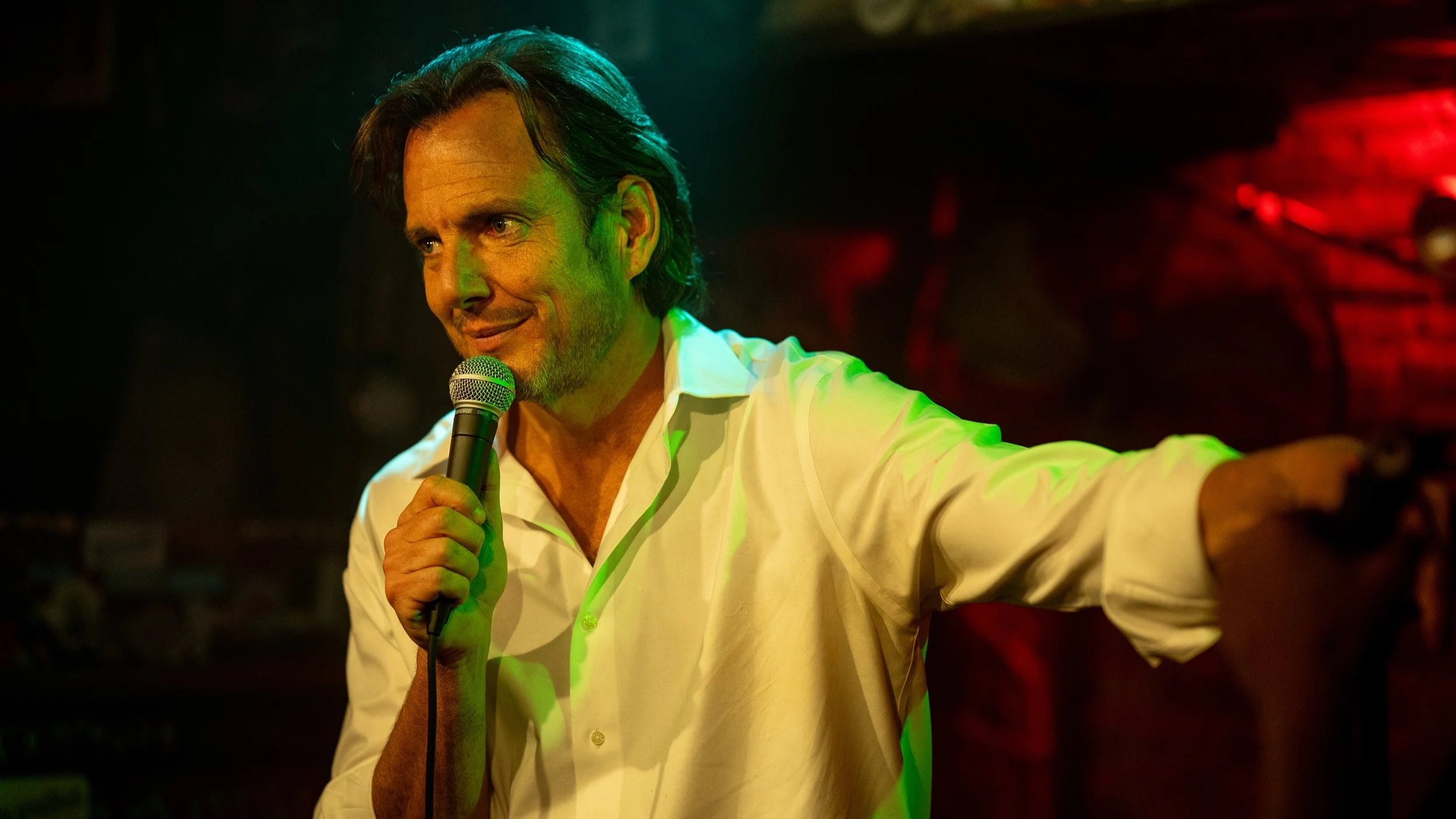
Laura Dern and Will Arnett star in Bradley Cooper’s newest project about a marriage on its last legs. Recently separated and juggling the logistics of custody with a possible divorce on the horizon, Arnett’s character finds questionable solace in the form of stand-up comedy. Having starred in his last two films, Cooper instead takes a supporting role as a parody of himself through the lens of the general public’s reaction to his Maestro (2023) press run. The internet’s endless Oscar-bait allegations provide a hilarious juxtaposition for the director’s newest portrayal as a pompous, failed actor. While it's easily the most interesting aspect of the film, Cooper’s character still failed to elevate the story above the genre-typical romantic comedy. The use of stand-up as an emotional outlet was confusing and, at times, extremely awkward. For much of the film, Arnett’s character embarrasses himself under the blinding stage lights as he fumbles his way through somewhat tasteless and virile digs at his wife and their sexual relationship. Despite its setbacks, however, Cooper’s redemptive character and its two noteworthy leading performances still prove Is This Thing On? to be an enjoyable examination on marriage and the effort it takes to sustain one.
9. Black Rabbit, White Rabbit
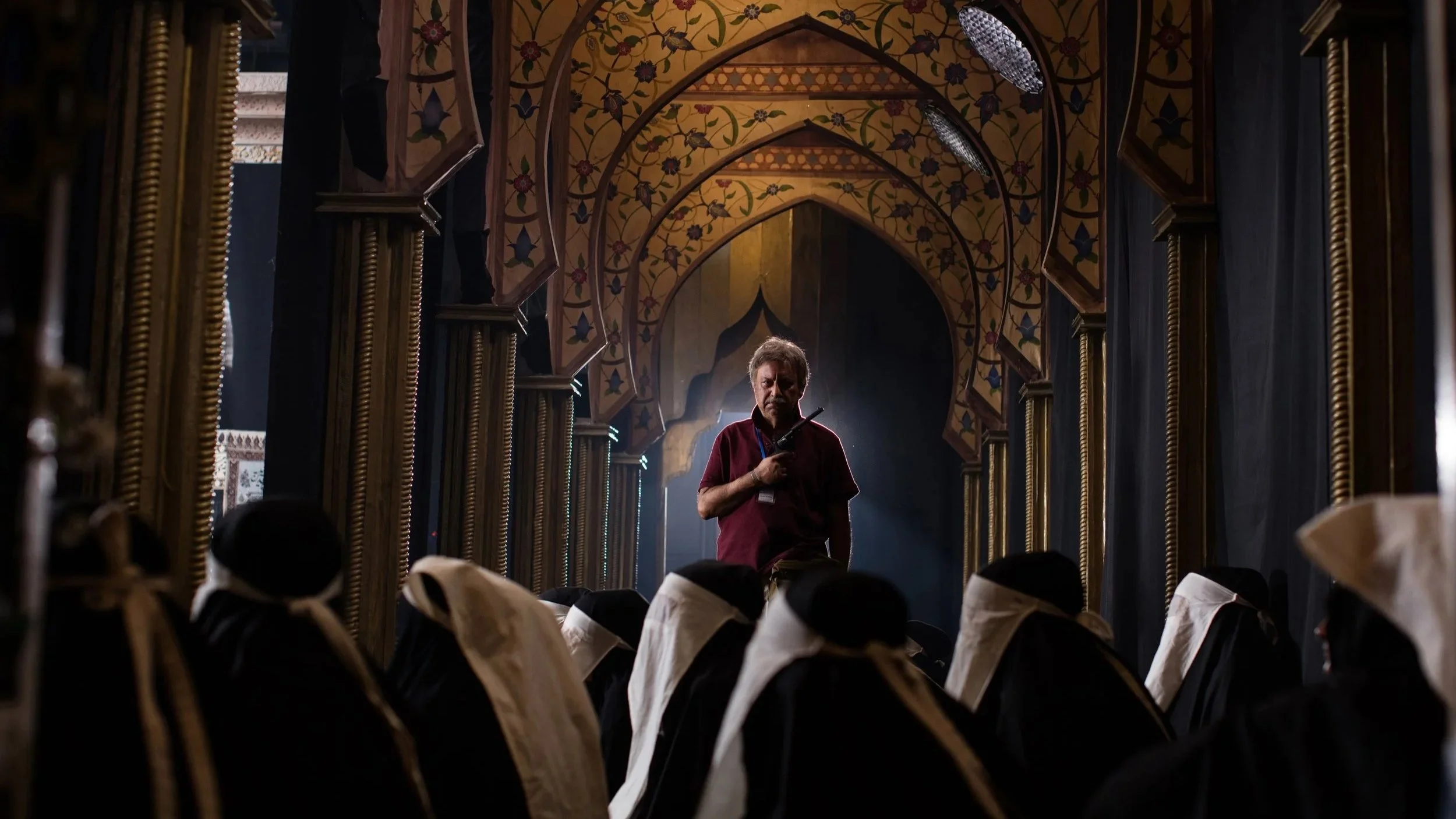
Fiction and reality blend heavily in Iranian filmmaker Shahram Mokri’s newest feature Black Rabbit, White Rabbit. Taking place on a film set in Tajikistan, the film centers on an increasingly frazzled props manager as he tries to track down a prop gun (which may or may not be real) for an upcoming scene. Meanwhile, a woman covered in bandages attempts to uncover a possible conspiracy connecting her recent car crash and volatile marriage. As the film progresses, the line between character and onlooker begins to blur. Increasing warps in time and conscious references to the film’s themes provide a meta analysis on filmmaking itself. Stranded in a loop of doing and undoing, the audience is left to ponder how cinema distorts reality through its life-like depictions of the human experience. With Lynchian levels of absurdity, Mokri’s latest comedy is a thought-provoking critique on the very act of creation.
8. Eternity
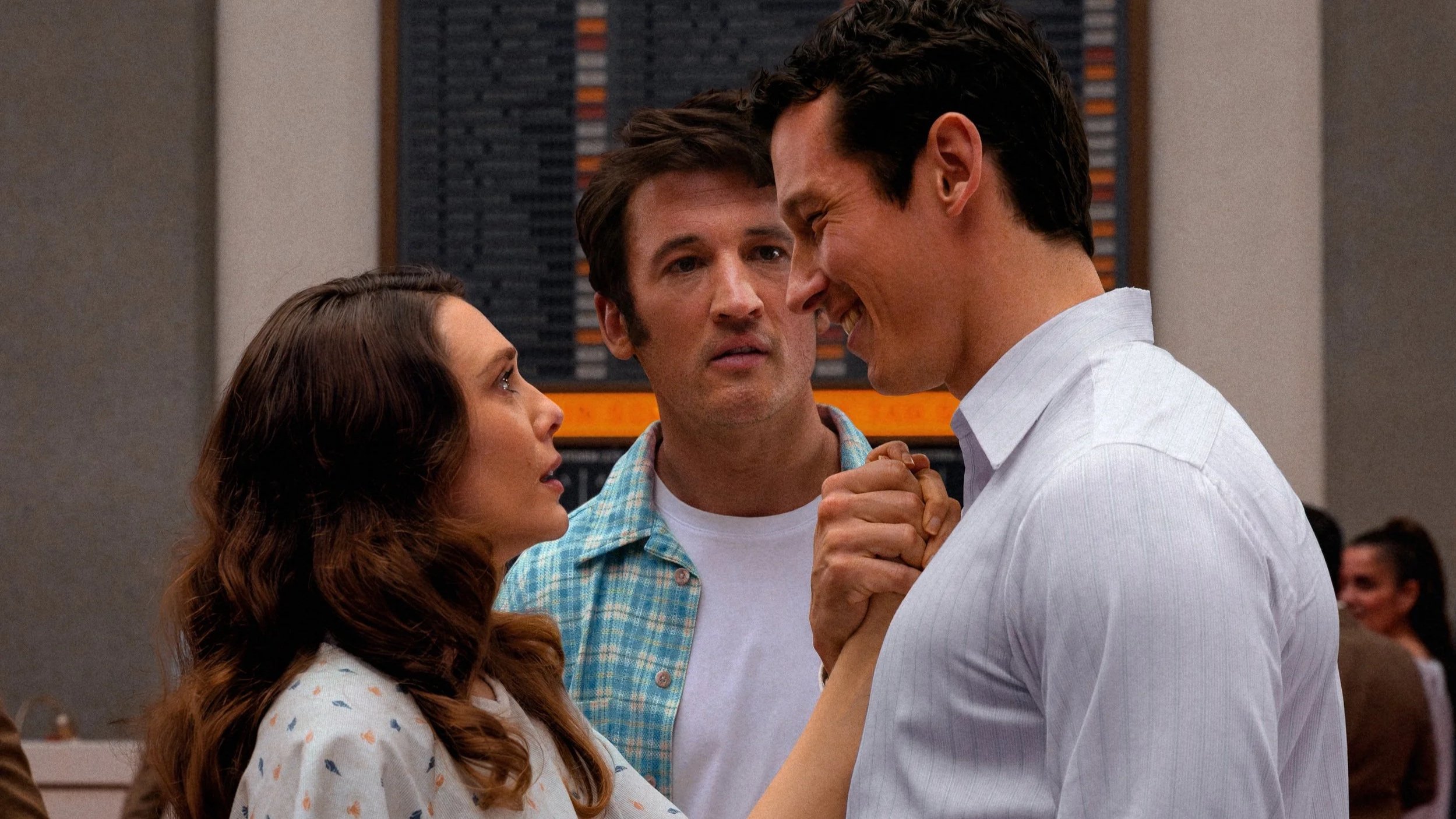
Another romantic comedy graces our list, with David Freyne’s Eternity proving to be a thoughtful and hilarious feature starring Elizabeth Olsen, Miles Teller, and Callum Turner. Pat Cunnane’s screenplay remained on Hollywood’s infamous Black List for years until it was picked up by A24. Closing the festival this year with Cunnane and producer Trevor White in attendance, the theater was packed to the brim with laughing spectators. A love triangle of truly epic proportions, Olsen’s character is tasked with choosing between spending eternity in the afterlife with her first husband (Turner) built on a whirlwind romance that was tragically cut short, or her second husband (Teller) of 60 years who died while choking on a pretzel. Eternity has all the classic rom-com tropes with heartfelt teary moments and outrageous romantic fumbles abound. Its sincerity, creative premise, and excellent comedic timing—especially from Teller—set it apart from the rest, however, providing an entertaining dramedy even for those not particularly inclined toward the genre.
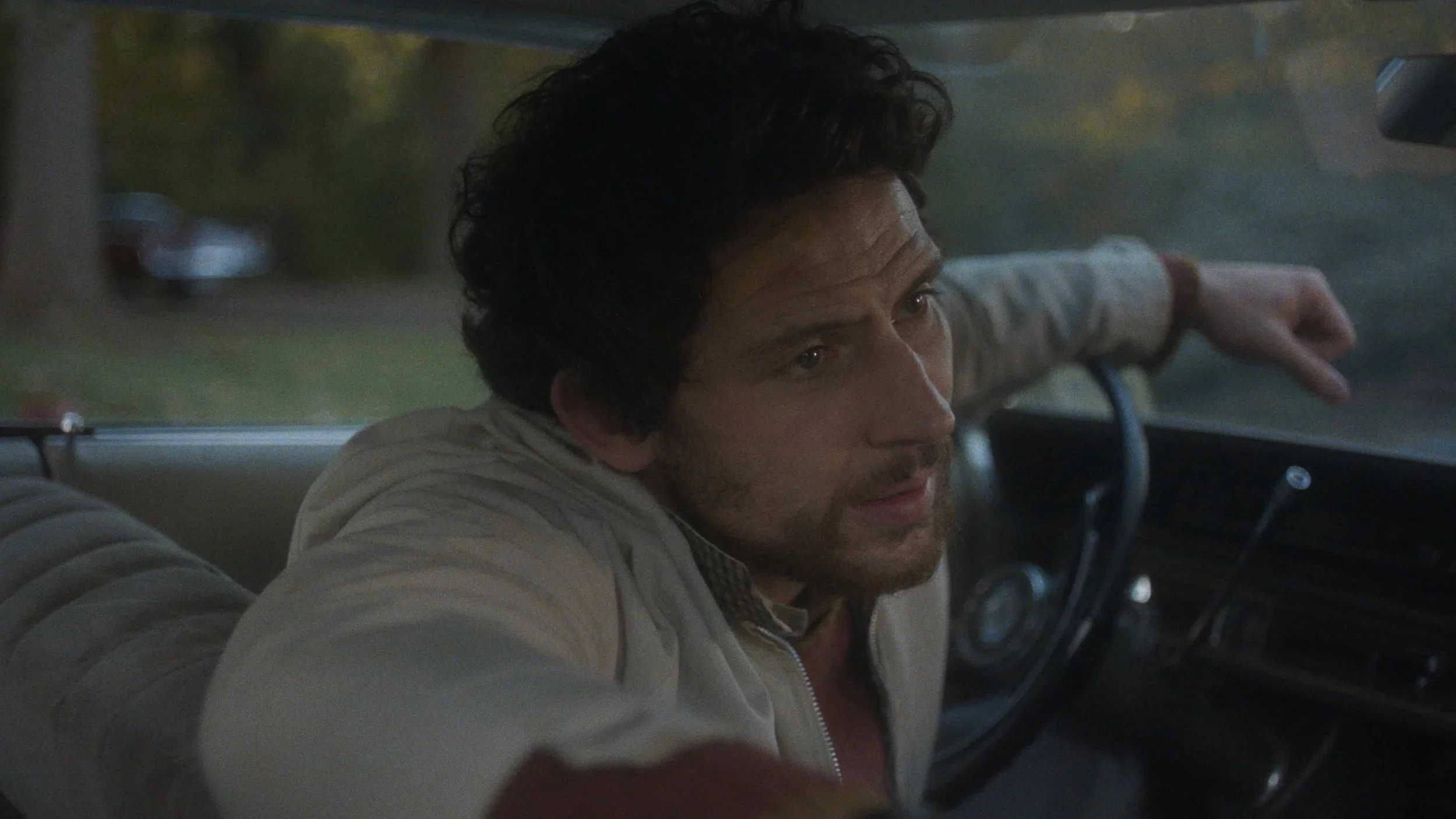
Kelly Reichardt and Josh O’Connor team up to create a quiet, subversive tale on the dangers of the masculine hubris. The story focuses on James Blaine “JB” Moony, a middle class father determined to escape his banal routine. An unemployed art school drop-out, he plans a heist at a small art museum in his ‘70s Massachusetts suburb. When things don’t go exactly as planned, he’s faced with the cost of his ignorance towards the cold reality of the world around him. Similar to his previous art heist role in La Chimera (2023), O’Connor delivers a beautifully subdued performance in the long, quiet stillness that permeates the film. Directed, written, and edited by Reichardt, her muted approach towards JB’s subjectivity is a targeted political message on the dangers of blind privilege.
6. Sound of Falling
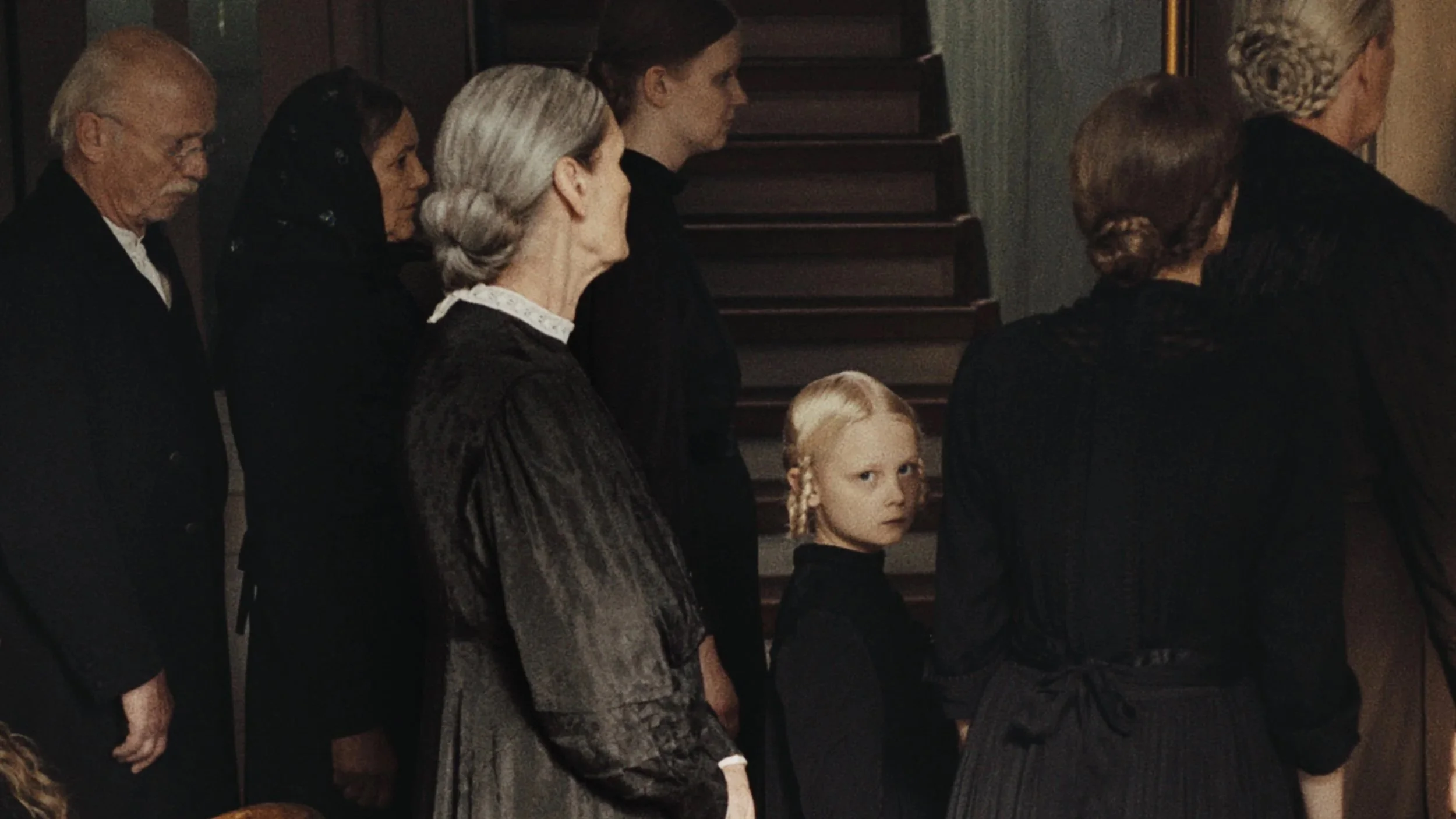
Winning CIFF’s Silver Hugo Award for Best Director, Mascha Schilinski creates a bleak landscape in a rural German farmhouse on the East-West border. Spanning from World War I to the early 2000s, four generations of girls grow up engulfed in a culture of secrecy, casual violence, and strained sisterhood. At times hard to follow, the film floats through time like a dream—or maybe a nightmare. In each of the young characters’ lives, traces of the setting’s history haunt the film’s chronology in a muted cycle of suffering. Eyes linger through keyholes and creeks in the floorboards substitute dialogue as the girls navigate their subconscious pain. Sexual violence infects the rustic house with a slow, intimate terror as characters are groomed, abused, and raped repeatedly. Contrary to many narratives that deal with similar themes, Schilinski doesn’t insert these horrors for the sake of shock value or shallow plot devices. Their misery is taken seriously, the film feeling weighed down by the cruelty of their daily experience. Grasping the past like sand slipping through your fingers, Sound of Falling paints a sober picture of gendered cruelty through the echoes ingrained in a single home’s withered walls.
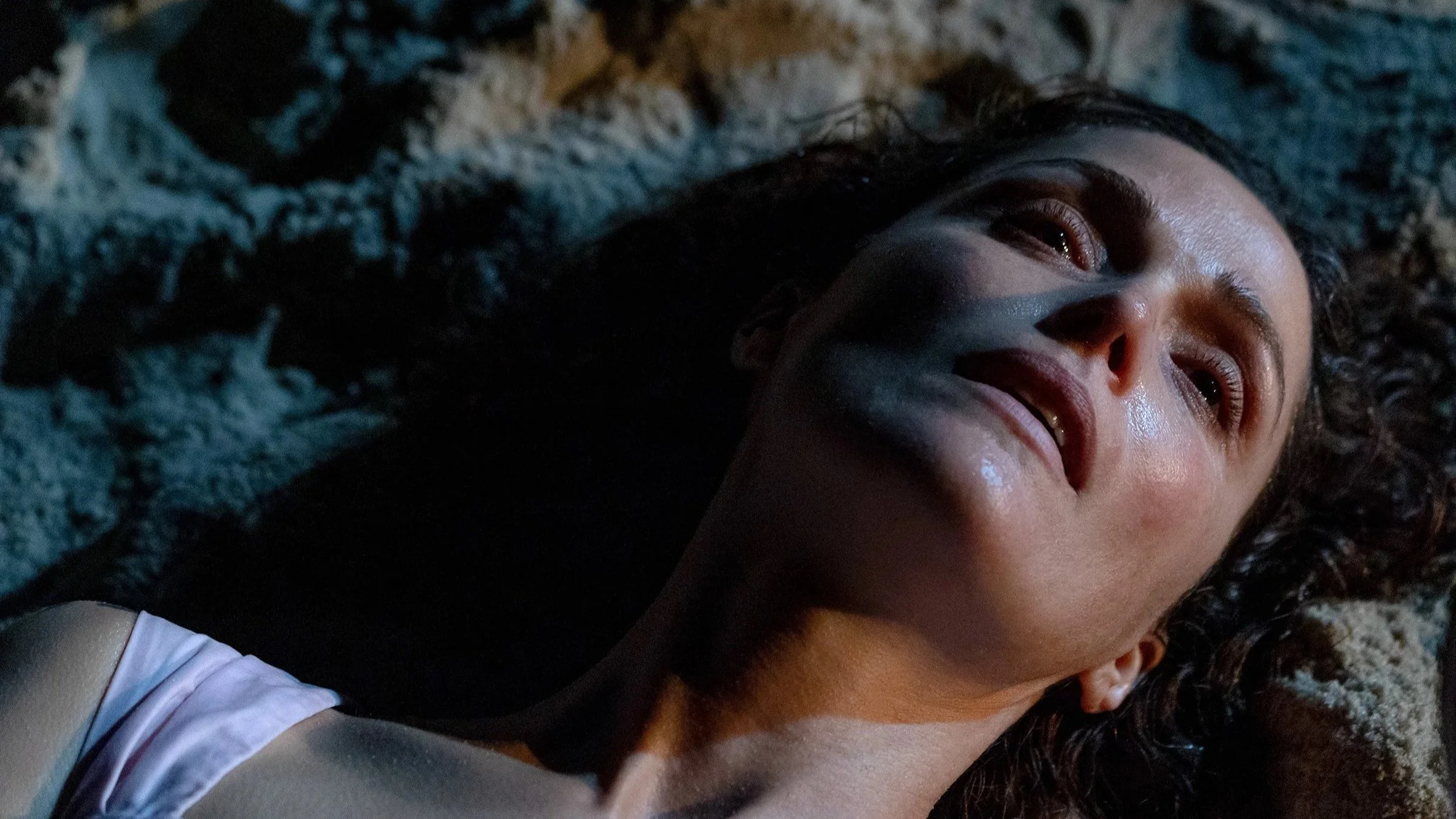
If I Had Legs I’d Kick You thrives in discomfort and chaos. Mary Bronstein writes and directs, creating a psychological drama centered on the burdens of motherhood. Rose Byrne delivers a magnificent performance as Linda, a stressed out therapist charged with caring for her ailing daughter. Her husband on a work trip and no one around to help lighten her load, Linda’s tensions mount as she juggles her daughter’s intensive treatments, incompetent contractors, work debacles, and living out of a motel. Linda begins to question the love she has for her only child as her erratic behavior crescendos towards a cataclysmic collapse all while the characters around her appear to hold little sympathy,. Horrifying, revolting, and incredibly effective, Bronstein’s latest film makes you question the patriarchal expectations of motherhood and the pressures of maternity.
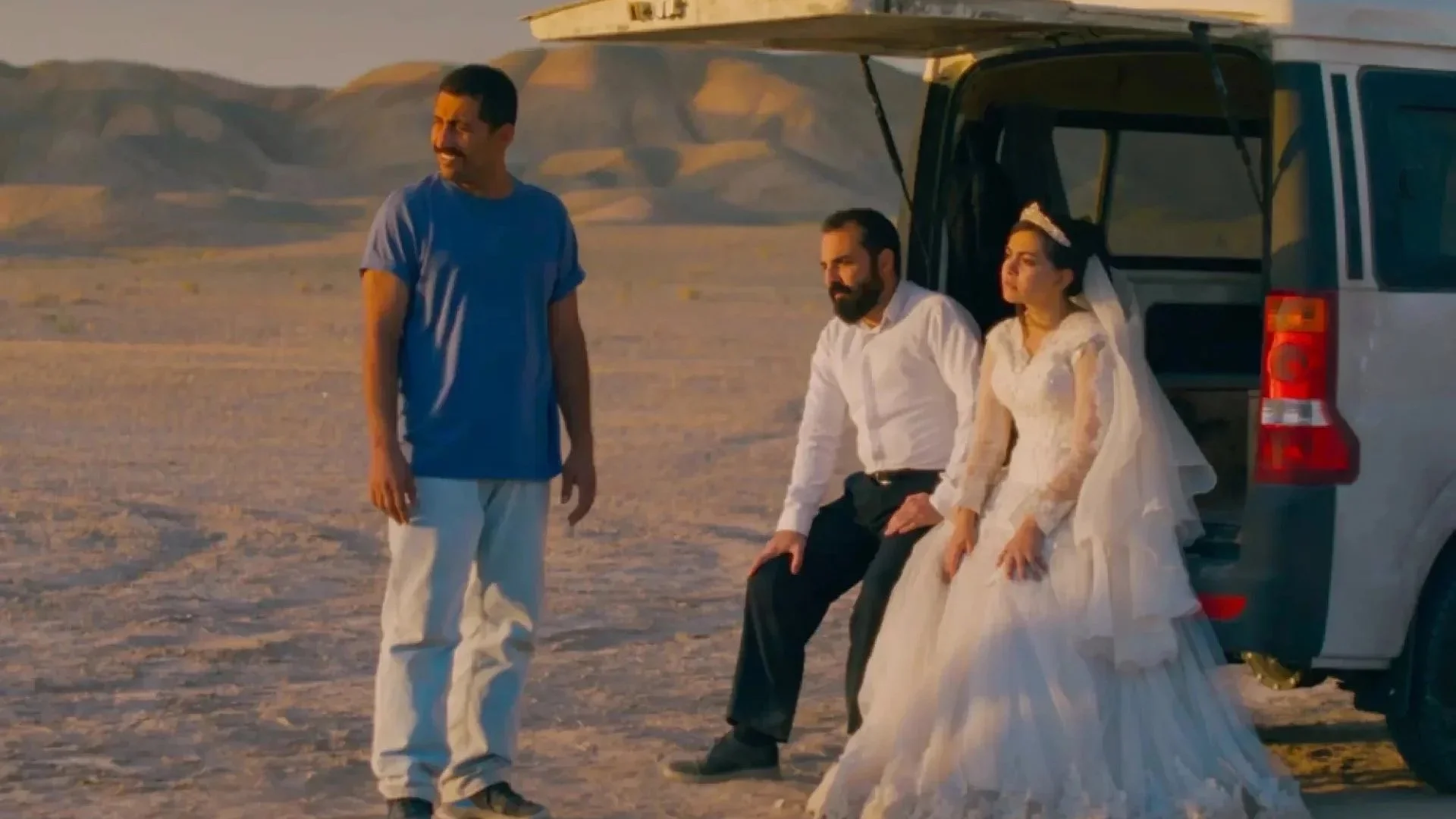
Iranian director Jafar Panahi’s latest film imbues his experience under the boot of his country’s tyrannical government. Winning the Palme d’Or at this year’s Cannes Film Festival, Panahi crafts a story of revenge rooted in ambiguity. When imprisoned in solitary confinement for fictitious crimes against the regime, the director’s only human contact was the sound of his torturer’s voices as he sat blindfolded and facing a wall. Panahi’s four main characters are blighted with a similar story. After kidnapping a man they believe to be the officer that abused them while incarcerated, doubt slowly poisons the small group. The only recognizable feature of their torturer was his slow, uneven gait as he dragged an artificial leg attached to his hip. No one saw his face. The writer-director uses such obscurity to create a moving dialogue baked in skepticism as the characters, marked by their suffering, search for answers in a past they’re desperately trying to suppress. With incredible performances, Panahi’s masterful camerawork, and his personal intimacy with the narrative, It Was Just An Accident proves to be an engrossing, piercing plea that demands to be heard.
3. Primavera

Renowned opera director Damiano Michieletto’s cinematic debut came as a pleasant surprise on our CIFF roster this year, winning the festival’s Audience Award for Best International Feature. Based on the novel Stabat Mater by Tiziano Scarpa, the film centers on violin prodigy Cecilia (Tecla Insolia) and her growing musical prowess with now-famed composer Antonio Vivaldi (Michele Riondino). Trapped beneath the impossible pressures of women’s societal expectations in 18th-century Venice, the young orphan’s virtuosic talents under Vivaldi’s instruction slowly open a new world to her previously sheltered existence. Profoundly feminist from start to finish, Cecilia’s desire for emancipation propels a story of seemingly unbridled ambition into a nuanced narrative of liberation with music as a driving force. Featuring fantastic performances and palpable musical intensity, Michieletto’s new film is a poignant and powerful story that stays true to the grounded reality of patriarchal structures without losing itself in our protagonist’s suffering.
2. The Secret Agent
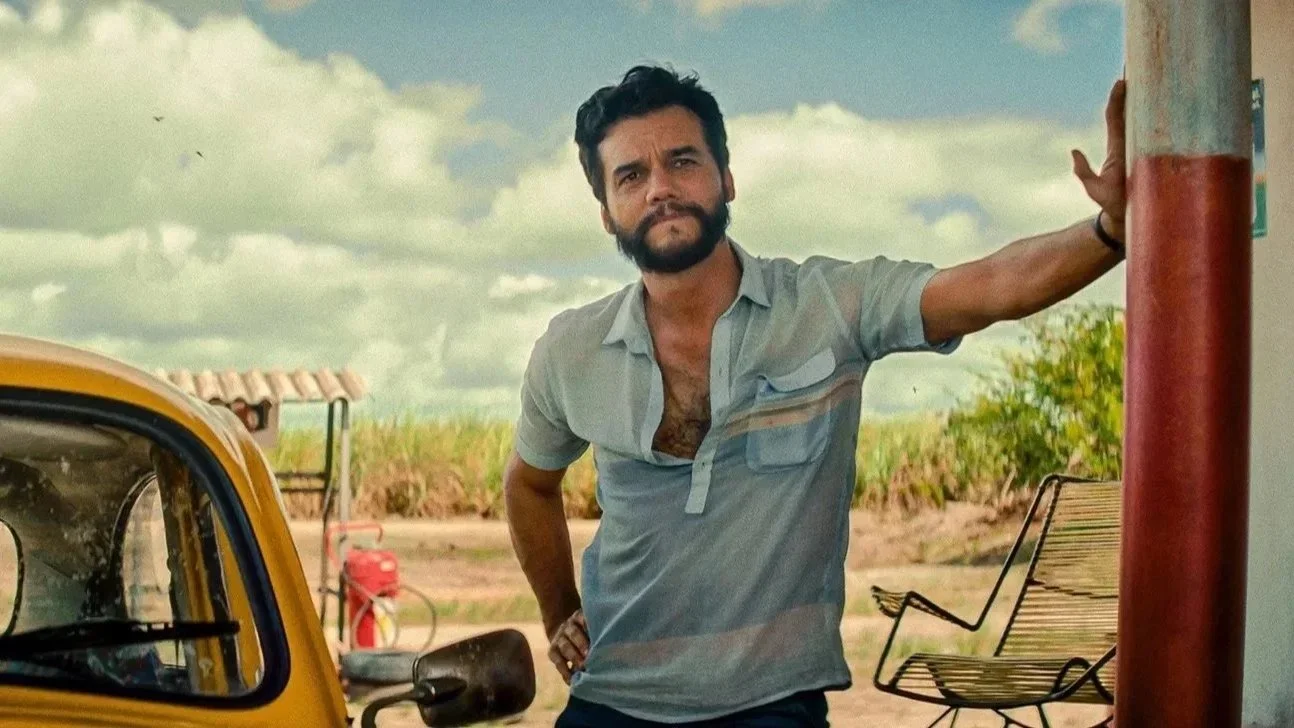
Brazilian director Kleber Mendonça Filho’s latest feature is a force to be reckoned with. Styled like a campy B-movie spy thriller, The Secret Agent revolves around Armando (Wagner Moura), a former professor entangled in the political turbulence of Brazil’s military dictatorship of the late ‘70s. Winning CIFF’s Silver Hugo Award for Best Male Performance, Moura presents a spectacularly layered portrayal as not only a man haunted by a hidden past, but as Armando’s son, a man settled into a future of resigned apathy around the subject of his late father. The tragedy and terror by the far-reaching hands of state violence hangs rotten and uncomfortably close in almost every frame, yet is still treated with a cursory weightlessness. From the opening shot of a haphazardly discarded corpse lying on the dusty gravel of a rural gas station to a marine biologist digging through a dead shark’s decaying stomach to unearth a sawed-off human leg, death in this film feels like a grotesque inevitability. It’s no wonder almost every character spends the entire runtime trying to forget it all. With a nonlinear narrative intent on exposing a history that’s desperately trying to bury itself underneath its pain, Mendonça unearths the casual nature of state-sponsored bloodshed as a warning embedded in the horrors of forgetting.
1. Train Dreams
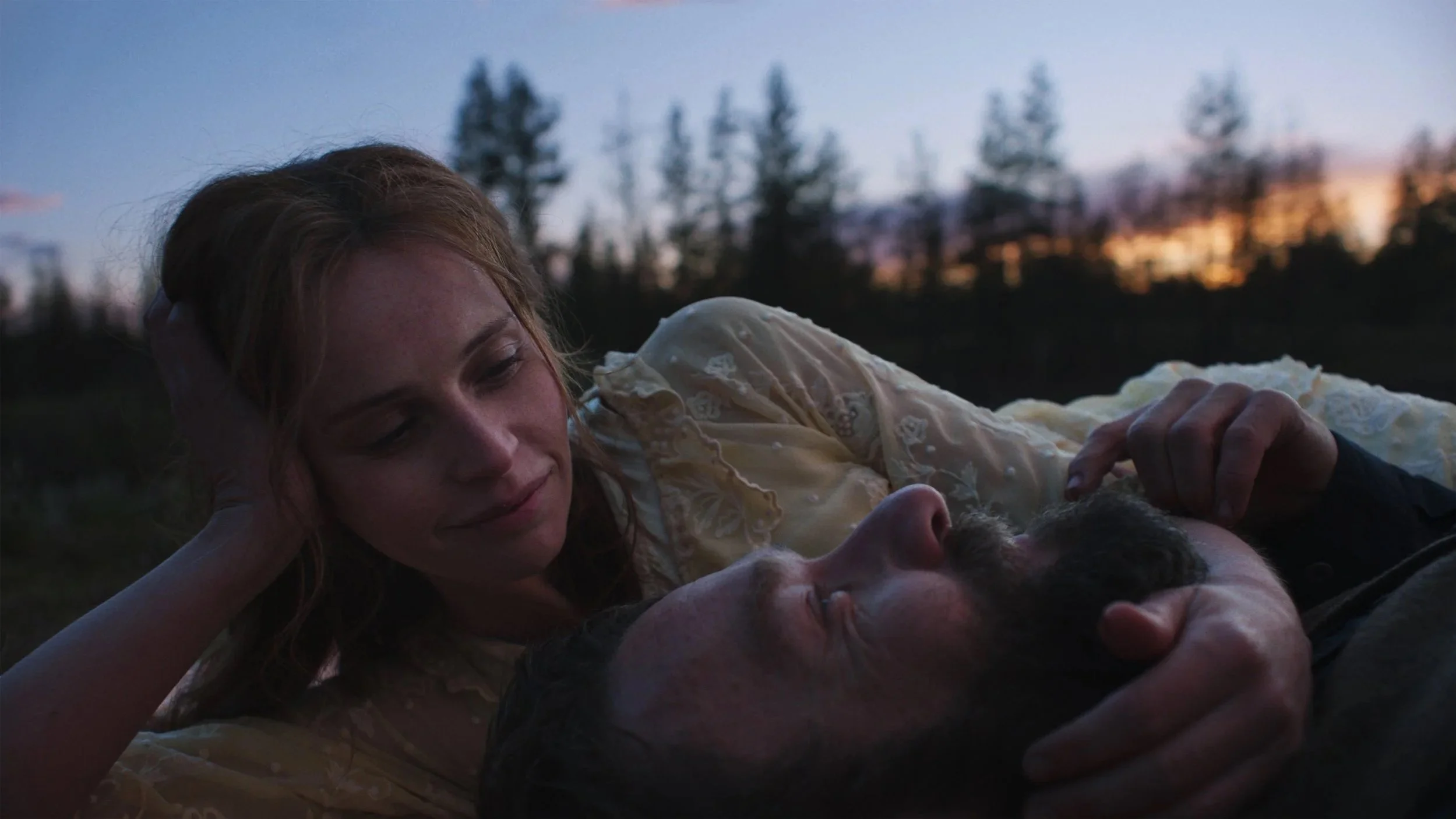
Topping the list as the best film we saw at CIFF this year is Sing Sing (2023) co-writer Clint Bentley’s latest directorial feature. An adaptation of a Denis Johnson novella of the same name, the story takes place in the blooming Pacific Northwest at the height of America’s developing railroad infrastructure. Joel Edgerton stars as Robert Grainier, a soft-spoken outdoorsman tasked with sawing down the emerald trees around him to lay tracks along the rural mountains. Often forced to work distant jobs that force him away from his wife and daughter, Grainier is isolated, left to wistfully ponder his changing environment. The death of old things and nature’s cruel, quiet stillness haunts the burly protagonist’s breathtaking surroundings as he’s tasked with muddling through a world that leaves him behind. As the film envelops you in the ever-changing landscape of a time gone by, Bentley weaves a dream-like narrative structure à la Terrence Malik that leaves you gasping for air under the weight of Grainier’s suffocating solitude as a man anchored by loneliness. Edgerton also gives a career-best performance, balancing the gentle roughness of his character’s tight-lipped grief and imposing physicality with grace. A layered reverie that’s nothing less than soul-igniting, Train Dreams is a humble, devastatingly humanistic lament on what it’s like to be alive in a place that no longer exists.